In This Article
There’s a particular kind of dread that hits you the moment you type barbell under £150 into a search bar. You picture a bent shaft after three sessions, sleeves that seize up like a rusted gate hinge, or a knurl pattern so shallow it might as well be a rolling pin. Here’s the good news: that fear is mostly outdated. The budget end of the UK barbell market has genuinely matured over the last few years, and a handful of bars in this price bracket now punch well above their weight class, sometimes literally.
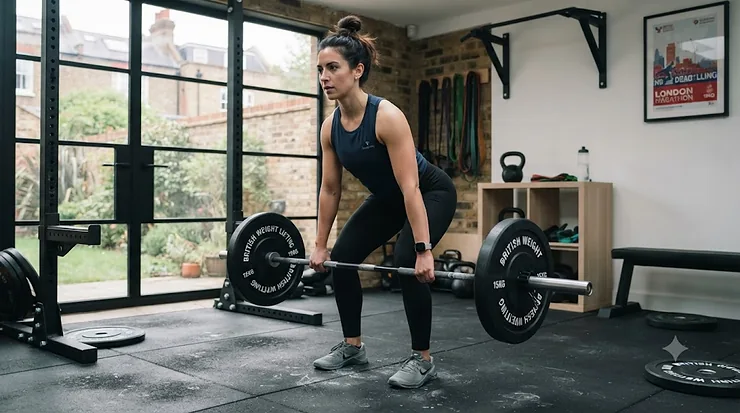
This guide exists because most “best barbell” content online is either a rewritten spec sheet or a thinly disguised advert. We’ve gone the other way. Every bar below is a real product you can currently find on amazon.co.uk or from its UK manufacturer, with honest analysis of what the specs actually mean once a loaded bar is on your shoulders. A barbell, in plain terms, is a straight steel bar designed to hold weight plates at each end for resistance exercises like squats, deadlifts and presses; the “Olympic” versions use a thicker 50mm sleeve for rotating plates, while “standard” bars use a narrower 1-inch fitting. Which one suits you depends on your goals, your space, and, frankly, your patience for squeaky sleeves.
Whether you’re chasing a cheap barbell to get started, comparing a budget standard barbell against a full Olympic spec, or building a proper home gym starter kit from scratch, this article walks through seven genuinely worthwhile options, what separates them, and how to avoid the mistakes that turn a bargain into a false economy.
Quick Comparison Table
| Barbell | Type | Weight | Price Range | Best For |
|---|---|---|---|---|
| Strongway 7FT Olympic Bar Barbell | Olympic, 20kg | 20kg | around £85-£100 | Best all-round budget Olympic bar |
| BodyMax Standard Spinlock Barbell | Standard, 1-inch | 6-8kg | under £40 | Cheapest genuine entry point |
| BodyMax 6ft Olympic Barbell | Olympic, compact | 12-15kg | around £90-£120 | Small spaces and low ceilings |
| PhysKcal Olympic Barbell | Olympic, 15/20kg | 15-20kg | around £110-£145 | Multipurpose home gym bar |
| PhysKcal EZ Curl Bar | Specialty, bushing | roughly 9kg | under £45 | Arm work and wrist-friendly pressing |
| Bulldog Gear Home Gym Bar | Olympic, 20kg | 20kg | around £140-£150 | Best spec just inside the £150 ceiling |
| Mirafit M3 7ft Olympic Barbell | Olympic, 20kg | 20kg | around £150-£190 | Premium stretch pick, worth the splurge |
Looking at the table, the split between “genuinely cheap” and “budget-but-serious” becomes obvious fast. The BodyMax Standard Spinlock Barbell and BodyMax 6ft Olympic Barbell sit at the accessible end, ideal if you just want something to lift with tomorrow. The Bulldog Gear Home Gym Bar and Mirafit M3 7ft Olympic Barbell, by contrast, edge toward the ceiling of this budget precisely because their tensile strength and bearing systems are built to outlast years of heavy training. There’s no single “best” bar here, only the best bar for what you’re actually training for.
💬 Just one click — help others make better buying decisions too! 😊
Top 7 Barbells Under £150: Expert Analysis
1. Strongway 7FT Olympic Bar Barbell — best all-round budget Olympic bar
The standout here is straightforward: a proper 7ft, 20kg Olympic bar with a 320kg rated capacity for well under £100, which is rare territory. Strongway markets this as a general-purpose bar for squats, deadlifts and bench press, and the spec sheet backs that up with a knurled grip and rotating sleeves designed for 2-inch Olympic plates.
On paper, the 320kg (700lb) capacity means most home lifters will never get close to testing this bar’s limits; even an advanced lifter loading 200kg for a heavy deadlift session still has a healthy margin. The chrome finish resists surface rust reasonably well if you’re not training in a damp, unheated garage, though it’s not in the same league as the hard-chrome finishes on pricier bars. Based on the spec comparison against other sub-£100 Olympic bars, this is arguably the best value entry point if you specifically need full 2-inch Olympic plate compatibility rather than a standard bar.
Aggregated reviewer sentiment on this bar is largely positive, with buyers describing it as affordable without sacrificing build quality, a common theme among Strongway’s product line generally.
Pros:
- ✅ Full 20kg Olympic spec at a genuinely low price
- ✅ 320kg rated capacity covers almost all home lifters
- ✅ Rotating sleeves suit squats and deadlifts well
Cons:
- ❌ Chrome finish shows surface wear faster than premium coatings
- ❌ Knurling is on the milder side for heavy grip work
Price sits around £85-£100 at the time of research, though prices may vary, so it’s worth checking the current price before ordering. For sheer specification-per-pound, this is hard to beat.
2. BodyMax Standard Spinlock Barbell — cheapest genuine entry point
If your budget is genuinely tight, this is the standout on the list. It’s a 1-inch standard bar, not an Olympic one, meaning it uses narrower spinlock collars rather than 2-inch rotating sleeves, and it’s available in 5ft, 6ft or 7ft lengths depending on the space you’re working with.
The 1-inch bore is the key detail buyers overlook: it’s compatible with the huge range of budget standard weight plates sold across the UK, which are typically cheaper per kilogram than Olympic bumper or cast plates. That makes this pairing especially sensible for someone building their very first home gym starter kit on a shoestring. What most buyers overlook about this model is that spinlock collars, while less convenient than quick-release clips, actually hold plates more securely during unstable lifts like overhead presses, since they thread directly onto the shaft.
Reviewer sentiment here is genuinely mixed, which is worth being upfront about. Several buyers report excellent value and a bar that does exactly what’s needed for casual training, while at least one reviewer described the bar bending under heavier squat loads. Read plainly, that suggests this bar is well suited to lighter, general strength work rather than max-effort squatting.
Pros:
- ✅ Among the cheapest genuine barbells sold in the UK
- ✅ Available in three lengths to suit your space
- ✅ Compatible with widely available cheap standard plates
Cons:
- ❌ Not rated for heavy squat or deadlift loading
- ❌ Reviewers report some flex under higher weights
Typically listed under £40, sometimes closer to £25-£30 depending on length and seller. This is your cheap barbell pick if you’re testing the water before committing further.
3. BodyMax 6ft Olympic Barbell — best for small spaces and low ceilings
Not every UK home has a double garage with 3-metre ceilings. The standout feature here is the shortened 6ft, 12-15kg design, which keeps the full 2-inch Olympic sleeve compatibility of a proper barbell while shaving off length that a 7ft bar simply doesn’t need in a box room, spare bedroom, or flat with awkward doorways.
With a stated 113kg maximum load and a 28mm grip diameter, this bar handles most beginner-to-intermediate strength programmes comfortably, though it will start to feel undergunned once you’re regularly loading past 100kg on compound lifts. The rotating sleeve ends genuinely do rotate smoothly according to owner reports, a detail that matters more than people expect, since a bar that doesn’t spin transfers twisting force straight into your wrists during heavier sets.
Aggregated feedback from BodyMax’s own product reviews suggests this compact bar performs noticeably better than expected for its size, with several buyers upgrading from older 1-inch bars and noting the difference in sleeve rotation and plate compatibility immediately.
Pros:
- ✅ Compact 6ft length fits small home gyms easily
- ✅ Full Olympic 2-inch plate compatibility retained
- ✅ Sleeves rotate smoothly according to owner feedback
Cons:
- ❌ 113kg capacity limits long-term progression for serious lifters
- ❌ Shorter length reduces hand spacing options for wide-grip work
Expect a price in the £90-£120 range at the time of research. A smart pick if space, not strength ceiling, is your main constraint.
4. PhysKcal Olympic Barbell — best multipurpose home gym bar
PhysKcal has quietly built a decent reputation in the UK budget strength space, and this 15kg or 20kg Olympic bar (depending on the variant you choose) is a genuinely multipurpose option built for squats, bench press and deadlifts alike. The 25mm shaft diameter on the 15kg version and thicker options on the 20kg bar give you some flexibility depending on hand size and lift preference.
Here’s what the spec sheet won’t tell you outright: a 25mm shaft, as used on this bar’s lighter variant, tends to feel noticeably different in the hand than the 28-29mm shafts on heavier-duty bars, which matters most for deadlifts and overhead pressing where grip security counts. Reviewers in continental Europe have noted the bar feels solid and well-finished for the price, though UK-specific feedback is still building as the product line expands here.
Because independently verified aggregated UK customer review data for this exact model is still limited compared to longer-established brands, it’s worth treating this as a promising newer entrant rather than a proven long-term performer, at least until a larger body of UK reviews accumulates.
Pros:
- ✅ Available in both 15kg and 20kg variants
- ✅ Multipurpose design covers most compound lifts
- ✅ Bushing and bearing sleeves for smoother rotation
Cons:
- ❌ UK review history is still relatively limited
- ❌ 25mm shaft feels thinner than heavier-duty alternatives
Prices typically fall in the £110-£145 range depending on variant and current promotions. Worth checking current price, as PhysKcal’s UK pricing has moved around during 2026.
5. PhysKcal EZ Curl Bar — best for arm work and wrist-friendly pressing
Not every barbell needs to be a 7ft monster. This EZ curl bar, sized between 4ft and 6ft depending on the listing, uses a cambered “W” shape that shifts the wrist angle during curls and close-grip pressing, which is exactly the kind of transformation content Amazon listings never bother explaining.
The camber isn’t just cosmetic. Repositioning the grip angle reduces strain on the wrist joint during bicep-dominant movements, something anyone who’s felt that dull ache after straight-bar curls will appreciate immediately. Physiotherapy literature on resistance training generally supports the idea that reducing awkward joint angles under load lowers cumulative strain, which is a large part of why curl bars remain popular among lifters managing wrist or elbow niggles.
Aggregated review sentiment describes the bushing and bearing rotation as smooth for a bar in this price bracket, with buyers generally satisfied for the specific job of arm isolation work rather than heavy compound lifting, which isn’t what this bar is designed for anyway.
Pros:
- ✅ Cambered design reduces wrist strain during curls
- ✅ Compact size suits small home gym set-ups
- ✅ Genuinely smooth rotation for the price point
Cons:
- ❌ Not designed for heavy squats or deadlifts
- ❌ Lower weight capacity than full-size Olympic bars
Typically under £45, making it an easy add-on to a home gym starter kit rather than a standalone centrepiece purchase.
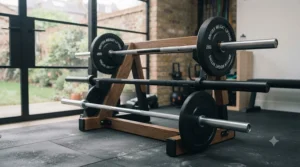
6. Bulldog Gear Home Gym Bar — best spec just inside the £150 ceiling
Bulldog Gear built its reputation on commercial-grade equipment, and this 20kg, 7ft bar is essentially a trimmed-down version of that philosophy for home budgets. The headline figure is a 240,000 PSI tensile strength rating on the steel itself, considerably higher than most bars at this price, paired with a hard chrome shaft and sleeves rather than the thinner chrome plating used on cheaper alternatives.
What that tensile strength figure actually means in practice: a higher-rated steel resists permanent bending under heavy load far better than lower-rated alternatives, so a bar rated at 240,000 PSI is meaningfully less likely to develop a permanent whip or bow after years of loaded squats than a bar rated at, say, 150,000 PSI. The precision-machined self-lubricating bushings are also worth flagging, since bushings generally require less maintenance over time than needle-bearing systems, even if they don’t spin quite as freely under very light loads.
The one lone verified review available at the time of research rated the bar highly, and Bulldog Gear’s broader barbell range carries a consistent reputation among UK strength-training communities for durability that outlasts its price bracket, based on the company’s wider product feedback across similar bars.
Pros:
- ✅ 240,000 PSI tensile strength, high for this budget
- ✅ Hard chrome shaft and sleeves resist corrosion well
- ✅ Self-lubricating bushings need minimal ongoing maintenance
Cons:
- ❌ Sits right at the edge of the £150 budget
- ❌ Limited independent UK review volume so far
Typically priced around £140-£150 depending on current promotions, sometimes appearing with a discount from its £199.95 RRP. Check current price before buying, as Bulldog Gear runs frequent sales.
7. Mirafit M3 7ft 20kg Olympic Barbell — premium stretch pick, worth the splurge
Here’s an honest disclosure upfront: this bar typically lists a little above our £150 ceiling, often around £180. It’s included anyway because if you can stretch your budget even slightly, the jump in build quality is significant enough that many buyers on a “budget barbell” search end up choosing this over a strictly sub-£150 option once they’ve compared the two side by side.
The spec sheet shows a 218,000 PSI tensile strength rating, an eight-piece needle bearing and four-piece ball bearing sleeve system, and a load rating of 680kg, roughly double what most sub-£100 bars offer. Based on the spec comparison, that bearing combination gives noticeably smoother sleeve rotation than the simpler bushing systems on cheaper bars, which matters most for Olympic-style lifts like the clean and jerk where the plates need to spin freely as the bar rotates in your hands.
Aggregated customer reviews for this bar are consistently strong, with multiple long-term owners reporting the bar has held its finish and performance for several years of regular use, and describing the black zinc coating and knurl quality as noticeably better than typical budget alternatives. A small number of buyers noted the rubber end caps can wear over time, a minor and largely cosmetic issue.
Pros:
- ✅ 680kg load rating, roughly double many rivals
- ✅ Smooth bearing-and-bushing sleeve system for Olympic lifts
- ✅ Consistently strong long-term owner reviews over years
Cons:
- ❌ Usually priced above the strict £150 budget
- ❌ Rubber end caps can wear with heavy use
Expect a price around £150-£190, so it’s genuinely on the border. If your budget has even a little flexibility, this is worth checking against your final shortlist.
Practical Usage Guide: Setting Up and Maintaining Your New Barbell
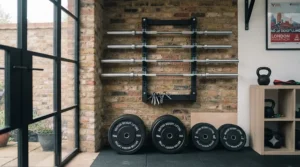
Getting a barbell to your door is the easy part. The first 30 days determine whether it lasts five years or five months. Start by unwrapping it fully and wiping down the shaft with a dry cloth, since manufacturing oils can make the knurling feel slicker than it actually is until that initial coating wears off. Store the bar horizontally on a rack or wall mount rather than leaning it against a wall, which puts uneven pressure on the sleeves over time and can, eventually, cause a subtle bend near the collar.
A common first-month mistake is loading a brand-new bar to its rated maximum immediately. Give bushings and bearings a chance to bed in with lighter sessions first; most manufacturers, including several featured above, note that smoother rotation develops gradually as the internal components settle. If you’re training somewhere unheated, like a garage or shed, a light coat of machine oil on the sleeves every few months prevents the surface rust that budget finishes are genuinely prone to in damp UK winters.
Chalk residue is another overlooked culprit. It absorbs moisture and, left on the shaft overnight, accelerates corrosion on cheaper coatings. A quick wipe after each session takes ten seconds and adds years to a budget bar’s usable life. Finally, check collar tightness before every heavy set, particularly with spinlock-style collars on standard bars, since these can work loose gradually during repetitive movements.
Real-World Scenarios: Which Barbell Suits Your Training?
Picture a university student in a shared house, training out of a converted box room with a single 6ft ceiling clearance and a strict budget that has to stretch across textbooks and protein powder alike. For that scenario, the BodyMax Standard Spinlock Barbell paired with cheap standard plates makes far more financial sense than a full Olympic set-up, since standard plates cost noticeably less per kilogram and the compact bar suits the cramped space.
Now picture someone slightly further along, training three or four times weekly in a garage gym, working toward a first 100kg squat and genuinely planning to stick with barbell training long-term. That’s the sweet spot for the Strongway 7FT Olympic Bar Barbell or the PhysKcal Olympic Barbell, both offering full Olympic plate compatibility and enough headroom to keep progressing for a year or two without hitting a capacity ceiling.
Finally, consider a more experienced lifter who already owns plates and a rack, chasing genuine long-term durability and smoother Olympic-style lifting mechanics, and willing to stretch the budget by £30 or so. That’s precisely who the Mirafit M3 7ft Olympic Barbell or the Bulldog Gear Home Gym Bar were built for, since the extra tensile strength and bearing quality only really pays off once training frequency and loading intensity both increase.
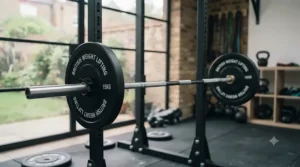
How to Choose a Barbell Under £150
Choosing a barbell under £150 comes down to matching bar type, capacity and finish to how often and how heavily you’ll actually train.
- Decide standard or Olympic first. Standard 1-inch bars suit lighter, casual training and pair with cheaper plates; Olympic 2-inch bars suit serious, progressive strength training and cost more overall once plates are included.
- Check the weight rating against your realistic ceiling. Add roughly 50kg of headroom above what you expect to lift within two years, since progress happens faster than most beginners assume.
- Look at the rotation system. Bushings are lower-maintenance and adequate for general training; bearings spin more freely and suit Olympic-style lifting specifically.
- Consider your ceiling height and available length. A 7ft bar needs roughly 2.2 metres of clearance to manoeuvre comfortably; 6ft bars suit tighter spaces.
- Factor in the finish for your environment. Damp garages and unheated sheds favour hard chrome or Cerakote-style coatings over basic zinc plating.
- Read aggregated review themes, not star ratings alone. A 4.5-star bar with recurring bend complaints tells you more than the number suggests.
- Budget for collars and a mat separately. Many budget bars ship without decent collars, and a cheap rubber mat protects both floor and bar from drop damage.
Barbell Weight Capacity Explained: What the Numbers Actually Mean
The weight capacity figure, whether stated in kg or PSI tensile strength, describes the maximum load the steel can bear before permanent deformation, not the point at which it snaps. Reviewers consistently note that budget bars with lower capacity ratings, typically under 200,000 PSI, are more prone to developing a slight permanent bend after prolonged heavy use, even if they never dramatically fail. For most home lifters squatting and deadlifting under 150kg, a bar rated above 300kg capacity offers comfortable headroom; only advancing powerlifters need to chase the very highest tensile strength figures. What most buyers overlook is that capacity ratings are typically tested under static load, whereas dynamic loading, like dropping a loaded bar during CrossFit-style training, places considerably more stress on the steel than the rating alone implies. Across the seven bars in this guide, capacity ranges from 113kg on the compact BodyMax option up to 680kg on the Mirafit M3, a spread wide enough that matching the number to your actual training matters far more than chasing the highest figure available.
Bar Sleeve Rotation: Bushings vs Bearings Explained
Sleeve rotation is arguably the most misunderstood spec on any budget barbell listing. Bushings are simple metal sleeves that allow the plate-holding sections to spin around the shaft; they’re cheaper to manufacture, require minimal maintenance, and work well for general strength training like squats and bench press. Bearings, usually needle or ball bearings, spin considerably more freely under load and matter most for Olympic-style lifts such as the snatch or clean and jerk, where the bar needs to rotate rapidly as it moves. Based on the spec comparison across the bars in this guide, bushing-based bars like the Strongway and BodyMax options are entirely adequate for powerlifting-style training, while bearing systems, like those found on the Mirafit M3, earn their higher price primarily through smoother, quieter rotation under fast movement. Reviewers of bushing-based bars in this guide rarely mention rotation as an issue at all, which suggests that for most home training, the bushing-versus-bearing debate matters less than manufacturers imply.
Features That Actually Matter (And Those That Don’t)
Marketing copy on barbell listings loves throwing around numbers, but not all of them matter equally once the bar is loaded in your hands. Knurling depth genuinely matters for grip security during heavy pulls, and centre knurling (a rougher patch in the middle of the bar) matters specifically for back squats, where it prevents the bar sliding across your shoulders. Sleeve diameter matters enormously, since it determines whether a bar takes standard or Olympic plates at all, and getting this wrong is the single most common regret among first-time buyers.
Colour and coating cosmetics, on the other hand, matter far less than marketing suggests; a black oxide finish and a bright chrome finish perform almost identically in terms of actual durability, differing mainly in how visibly they show surface wear over time. Similarly, “commercial grade” branding on a sub-£150 bar is worth reading sceptically, since genuine commercial-spec bars built for gym-floor abuse typically start well above this budget bracket regardless of what the listing implies. Focus on tensile strength, sleeve diameter and rotation system first; treat finish colour and marketing language as secondary.
Cheap Barbell vs Premium Barbell: What Actually Changes
The gap between a genuinely cheap barbell and a premium one under £200 isn’t about whether the bar “works.” Almost every bar on this list will let you squat, bench and deadlift effectively from day one. The difference shows up in longevity, consistency, and how the bar feels once loads climb.
Steel quality is the biggest factor. Premium bars like the Mirafit M3 7ft Olympic Barbell use higher tensile strength steel, meaning the bar resists permanent bending far longer under repeated heavy loading, a difference that only becomes obvious after a year or two of consistent training, not in the first week. Cheaper bars like the BodyMax Standard Spinlock Barbell use lower-grade steel that’s entirely adequate for lighter training but genuinely more prone to developing flex under maximal squat or deadlift attempts, as at least one verified review on that model confirmed.
Rotation quality is the second major gap. Reviewers consistently note that bearing-based systems on premium bars feel noticeably smoother during dynamic lifts, while bushing systems on budget bars can feel slightly stiffer, particularly when new, before they bed in over the first few sessions. Coating durability rounds out the picture: hard chrome and Cerakote-style finishes on pricier bars resist the surface rust that plagues basic zinc or chrome plating in damp UK garages, meaning a £150 bar stored in a cold shed may show cosmetic wear within a year that a £180 bar wouldn’t show for several.
None of this means cheap bars are a bad choice. For anyone training two or three times weekly with moderate loads, the practical difference between a £90 bar and a £180 bar is genuinely marginal. The value case for spending more strengthens specifically as training frequency, load, and lifting style (particularly Olympic lifting) increase.
Common Mistakes When Buying a Budget Barbell
The single most common mistake is buying purely on price without checking whether the bar is standard or Olympic spec, only to discover it’s incompatible with plates already owned or planned for purchase. Always confirm sleeve diameter (1-inch versus 2-inch) before ordering.
A close second is ignoring shipping weight and length against actual available space. A 7ft bar sounds standard until it’s wedged diagonally across a box room because there wasn’t quite enough wall clearance to manoeuvre it during a squat unrack. Measure twice, order once.
Buyers also frequently skip reading aggregated review themes in favour of the overall star rating, missing recurring complaints buried in the detail, like the bending issue noted on one budget standard bar in this guide. A 4.3-star average can still hide a meaningful minority of buyers reporting a specific, relevant flaw.
Finally, many first-time buyers underestimate how quickly they’ll progress past a lower capacity rating. What feels like generous headroom at 60kg can feel restrictive within a year of consistent training, particularly for younger lifters or those coming from a sporting background. Buying slightly above your current need, within reason, tends to age better than buying exactly to it.
Long-Term Cost & Maintenance
A barbell’s true cost isn’t just the sticker price; it’s the sticker price plus however many years of usable life you get from it. A £90 bushing-based bar that needs replacing after three years due to sleeve seizure or shaft flex works out more expensive per year of use than a £150 bearing-based bar that lasts eight to ten years with basic care.
Ongoing maintenance costs for any barbell in this guide are minimal: an occasional wipe-down, light oiling of sleeves every few months if stored in a damp environment, and periodic collar tightening. None of the seven bars covered require specialist servicing. The real cost variable is replacement plates and collars, which, for Olympic-spec bars, typically run higher per kilogram than standard 1-inch plates, an important factor when calculating total home gym starter kit cost rather than just the bar itself.
For anyone training consistently over multiple years, spending closer to the £150 ceiling on a bar with a higher tensile strength rating and a bearing-based rotation system tends to work out as better value per year of ownership than the cheapest available option, even though the upfront cost is higher.
Home Gym Starter Kit: Building Your Setup Around a Budget Barbell
A barbell on its own is a fairly limited tool. Building a genuine home gym starter kit around one of the bars above typically means adding a set of plates matched to the sleeve diameter, a pair of secure collars if they’re not included, and ideally a basic flat bench for pressing movements. For standard 1-inch bars like the BodyMax option, budget vinyl or cast iron plates keep the overall spend low, which suits the “cheap barbell” scenario described earlier in this guide.
For Olympic-spec bars, a modest plate set of around 40-60kg total covers most beginner programmes for six to twelve months before an upgrade becomes necessary. Adding a simple squat stand or power rack isn’t essential immediately, but it does unlock safer solo training for squats and bench press once loads increase past what’s comfortable to lift unassisted from the floor. According to the NHS physical activity guidelines, adults should aim to include muscle-strengthening activities on at least two days a week, and a modest barbell setup at home genuinely covers that requirement without needing a gym membership at all.
Budget roughly £250-£350 all-in for a complete starter kit built around one of the bars in this guide, bar included, assuming you’re buying plates, collars and a basic bench new. Second-hand plates, widely available on UK marketplaces, can reduce that figure considerably without compromising on bar quality.
Safety and Standards: What UK Buyers Should Know
Barbell training carries genuine injury risk if equipment fails or is used incorrectly, so a few practical safety points matter regardless of which bar you choose. Always inspect a new bar for visible defects before first use, particularly around the sleeve-to-shaft junction, and stop using any bar that develops a visible permanent bend, since continuing to load a compromised bar increases failure risk significantly.
Under UK consumer law, any barbell purchased through amazon.co.uk or a UK retailer must be of satisfactory quality and fit for purpose; faulty goods can be rejected for a full refund within 30 days of purchase under the Consumer Rights Act 2015, which is worth knowing if a bar arrives with an existing defect or fails prematurely under normal use. None of the bars featured in this guide are marketed as competition-certified, meaning they’re built for home and light commercial training rather than official powerlifting or weightlifting competition, a distinction worth understanding if competitive lifting is an eventual goal.
Tensile strength, the figure quoted throughout this guide in PSI or MPa, describes the maximum stress steel can withstand before permanent deformation begins, and higher figures generally indicate a bar better suited to sustained heavy loading over time. Beyond the equipment itself, general safety practice matters just as much: use collars on every loaded set, particularly for overhead or unstable lifts, and consider a training partner or spotter arms once you’re approaching weights you couldn’t safely bail from alone.
✨ Want Help Choosing the Right Set-Up for Your Space?
🔍 Compare specs side by side against your available room, budget and training goals before committing. A five-minute check now saves a costly resale later if the bar or plates don’t fit your set-up.
FAQ
❓ What is the best barbell under £150 in the UK?
❓ Can I do powerlifting training with a budget barbell?
❓ What's the difference between a standard and Olympic barbell?
❓ How much weight can a cheap barbell hold?
❓ Is it worth buying a barbell online without trying it first?
Conclusion
There’s no single “best” barbell under £150 because there’s no single type of lifter reading this. If you’re just starting out and money is genuinely tight, the BodyMax Standard Spinlock Barbell gets you training this week without financial strain. If you’re committed to progressive strength training and want full Olympic compatibility without stretching the budget, the Strongway 7FT Olympic Bar Barbell or the PhysKcal Olympic Barbell both deliver strong value. And if you can flex the budget by even £30 or £40, the Bulldog Gear Home Gym Bar and the Mirafit M3 7ft Olympic Barbell reward that extra spend with tensile strength and rotation quality that genuinely pays off over years of consistent training.
What matters most is matching the bar to how you’ll actually train, not to whichever listing has the most impressive-sounding numbers. Check the sleeve diameter against your plates, the weight rating against your realistic two-year goals, and the aggregated reviews for recurring issues rather than relying on star ratings alone. According to the NHS, muscle-strengthening activity on at least two days a week delivers real health benefits, and a well-chosen budget barbell, any of the seven covered here, is more than capable of delivering that consistently for years.
✨ Ready to Start Training?
🔍 Pick the bar that matches your space and training goals from the comparison above, click through to check current pricing and availability, and get your home gym started properly. The right barbell, chosen honestly rather than impulsively, tends to be the one you’re still using in five years.
Recommended for You
- Buy Trap Bar 2026: 7 Hex Bars UK Lifters Actually Rate
- Adjustable Dumbbells vs Fixed Dumbbells: 7 Picks Ranked (2026)
- Studio Dumbbells for Gyms: 7 Best Picks
Disclaimer: This article contains affiliate links. As an Amazon Associate, I earn from qualifying purchases. If you purchase products through these links, we may earn a small commission at no additional cost to you.
✨ Found this helpful? Share it with your friends! 💬🤗
