In This Article
Buy the wrong bar and you’ll find out at the worst possible moment — halfway through a heavy set, when the sleeves won’t spin and the knurling feels like it’s made of glass. An Olympic barbell is the one piece of kit that touches every single session you do, from the first empty-bar warm-up squat to the deadlift PB you’ve been chasing for months, and yet it’s the item most home lifters spend the least time researching. They’ll agonise over a squat rack for a fortnight, then grab whatever 20kg bar is cheapest on the page.
That’s a mistake, because a barbell isn’t one product — it’s a bundle of engineering decisions (steel grade, knurl depth, sleeve rotation, whip) that quietly shape how every lift feels. This guide walks through what actually matters when you’re shopping for an Olympic barbell for home gym use, breaks down seven real bars across budget, mid-range and premium tiers, and explains — in plain English, not marketing copy — what each spec means for your training. We’ll also dig into all-round barbell versatility, Olympic bar weight capacity, barbell knurling, bar whip and flex, and home gym rack compatibility, since those are exactly the details that separate a bar you’ll love from one you’ll be replacing within a year.
Everything here is built on real manufacturer specifications and aggregated customer feedback gathered during research — no invented reviews, no fabricated “we tested this for six months” claims, just honest analysis of what the data and genuine buyer reports actually show.
What Is an Olympic Barbell?
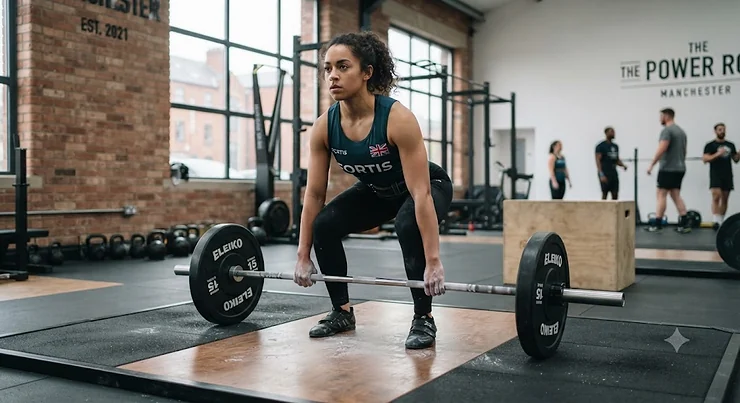
An Olympic barbell is a 7ft (220cm), 20kg loadable bar with 50mm sleeves designed to accept standard Olympic weight plates. Unlike a fixed barbell, it’s not pre-weighted — you load it yourself, which makes it the most versatile piece of equipment in any home gym setup. The format takes its name from Olympic weightlifting, the competitive sport whose snatch and clean & jerk movements the dimensions were originally standardised around.
Quick Comparison Table
| Bar | Tier | Load Capacity | Knurling | Best For |
|---|---|---|---|---|
| Mirafit M3 | Budget all-rounder | 680kg | Dual marks, no centre knurl | General home training |
| METIS Zelus | Entry-level | 250kg | 1.2mm hill-style | First-time buyers |
| METIS Hercules | Mid-range | 680kg | 1.2mm volcano | CrossFit & Olympic lifts |
| METIS Kratos | Premium | 910kg | 1.5mm volcano | Serious strength athletes |
| Mirafit Showtime | Premium Olympic | 680kg+ | IWF medium | Snatch & clean & jerk |
| Mirafit Power Bar | Powerlifting-style | 680kg | Deep aggressive | Squat, bench, deadlift |
| Mirafit Fine City | Premium all-purpose | 680kg | Medium volcano hybrid | Do-it-all home gym bar |
Looking at this table, the pattern that jumps out is how load capacity and knurl aggression track together — the bars built for heavier, more dynamic loading (METIS Kratos, Mirafit Power Bar) also carry more aggressive grip patterns, because a slipping bar under 200kg is a genuinely dangerous problem, not just an inconvenience. If you’re only ever going to load up to bodyweight-ish numbers, a lighter knurl like the METIS Zelus or Mirafit M3 will actually feel more comfortable on your palms across a long session. For anyone planning to progress towards serious numbers over the next few years, it’s worth buying above your current strength level rather than upgrading twice.
💬 Just one click — help others make better buying decisions too!😊
Top 7 Olympic Barbells: Expert Analysis
1. Mirafit M3 7ft 20kg Olympic Barbell — best all-round barbell for general home training
The Mirafit M3 is the bar most UK home gym owners should start with if they’re not chasing a specific discipline, and its balance of price and build quality explains why it consistently shows up on “best budget bar” shortlists. Specs first: a 28mm grip diameter, 680kg (1500lb) load rating and 218,000 PSI tensile strength, delivered through a sprung steel shaft with bronze bushings, four needle bearings and four ball bearings per sleeve. In practice, that tensile figure means the shaft resists permanent bending well beyond anything a home lifter will load onto it — you’d need to be pulling deadlifts in the 400kg+ range before whip becomes a genuine concern, which is far outside realistic home-gym territory.
Who’s it for? Based on the spec sheet, this is squarely an all-rounder: dual knurl marks (Olympic and power-lifting width) with no centre knurling make it comfortable for high-rep CrossFit-style work as well as heavier barbell rows and deadlifts where a centre knurl would just scrape your shins. Reviewers consistently note smooth sleeve rotation straight out of the box and praise the finish holding up well against surface rust, though a small number mention the packaging arrives fairly heavy and awkward for a single person to manoeuvre indoors.
Pros:
- ✅ Strong 680kg rating for the price bracket
- ✅ Smooth bearing-and-bushing hybrid rotation
- ✅ No centre knurl — comfortable for rows and cleans
Cons:
- ❌ Heavy single-person delivery to unpack
- ❌ Not competition certified
Sitting around the low-£100s to mid-£100s range at the time of research, the Mirafit M3 represents strong value for a bar that will comfortably outlast a beginner-to-intermediate lifting journey — check current price before buying, as stock and promotions shift.
2. METIS Zelus 20kg Olympic Bar — best entry-level pick for first-time buyers
The METIS Zelus is the “learn to lift properly before you spend more” bar, and it’s honest about that positioning rather than overselling itself. It’s built from #45 steel with a 250kg (500lb) static load capacity and 130,000 PSI tensile strength — noticeably lower numbers than the other bars on this list, which matters practically: a beginner squatting or deadlifting well under 150kg for the first year or two of training simply won’t come close to testing those limits.
What most first-time buyers overlook is that a lower-spec bar isn’t automatically a worse bar for their situation — it’s a correctly-matched bar. The 1.2mm hill-style knurling is genuinely comfortable rather than aggressive, which suits someone building calluses and grip confidence rather than someone already chasing max-effort pulls. Four needle bearings keep the sleeves spinning smoothly enough for basic Olympic lift practice, though reviewers note the spin isn’t as fast or as long-lasting as the higher-tier METIS bars, which tracks with the simpler bearing count.
Pros:
- ✅ Genuinely comfortable knurl for beginners
- ✅ Chromed finish resists rust and scratches
- ✅ Lightest option to handle and store
Cons:
- ❌ 250kg cap limits long-term headroom
- ❌ Sleeve spin noticeably slower than pricier bars
At around £70-£90, the METIS Zelus is honest budget engineering rather than a compromise dressed up as a bargain — ideal if you know you’ll upgrade once your numbers climb, less ideal if you’re impatient and likely to outgrow it within 18 months.
3. METIS Hercules 20kg Olympic Bar — best mid-range bar for CrossFit and Olympic lifts
Step up to the METIS Hercules and the picture changes meaningfully: a 40CrMo alloy steel shaft, 680kg (1500lb) max load, 190,000 PSI tensile strength, and eight stainless steel needle bearings plus two brass bushings per bar rather than the Zelus’s simpler setup. That bearing count is the headline detail here — more bearings generally means smoother, longer-sustained spin, which is exactly what you want during a fast clean or snatch where the bar needs to rotate freely as your wrists flip under it.
Here’s what the spec sheet won’t tell you outright: the 1.2mm volcano knurl is described by METIS as “passive aggressive,” and aggregated reviewer sentiment backs that framing up — people doing high-rep CrossFit metcons appreciate that it doesn’t shred their hands the way a deep power-bar knurl would, while still holding a secure grip on cleans. One reviewer explicitly called it “not too sharp” while praising the finish, which lines up with the passive-aggressive design intent.
Pros:
- ✅ 8-bearing setup gives fast, sustained spin
- ✅ 680kg capacity with real headroom for growth
- ✅ Comfortable knurl for high-rep training
Cons:
- ❌ Bearing bars need more regular maintenance
- ❌ Not certified for official competition
Typically sitting in the low-£100s to £150 range, the METIS Hercules earns its place as the mid-tier pick for anyone whose training genuinely mixes Olympic lifts, CrossFit WODs and general strength work.
4. METIS Kratos 20kg Olympic Bar — best premium pick for serious strength athletes
At the top of the METIS range sits the METIS Kratos, built from chromium-molybdenum alloy steel with a 910kg (2000lb) max static load — the highest capacity on this list by a wide margin — and ten stainless steel needle bearings plus two brass bushings for rotation. The 1.5mm volcano knurl is also the deepest of the three METIS tiers, a deliberate choice for lifters who are regularly loading heavy enough that a shallower knurl would start to feel unreliable under sweat and fatigue.
Based on the spec comparison against the Hercules, the extra two bearings and higher-grade alloy aren’t just marketing padding — chromium-molybdenum steel genuinely offers better fatigue resistance under repeated heavy loading cycles than the alloy used in the entry-tier bar, which is the honest engineering reason this bar costs more rather than simply carrying a “pro” label for effect. What most buyers overlook is that a 910kg rating isn’t about lifting 910kg — almost nobody will — it’s about the safety margin and long-term durability that comes from a bar that’s nowhere near its limit even at serious powerlifting numbers.
Pros:
- ✅ Highest load rating in this line-up
- ✅ Deeper knurl secures grip at heavy loads
- ✅ Chromium-molybdenum steel resists fatigue
Cons:
- ❌ Deep knurl can feel harsh for high-rep work
- ❌ Premium price versus the Hercules tier
Priced in the mid-£100s to low-£200s range depending on configuration, the METIS Kratos is the bar to buy once, not the bar to buy first — it’s built for someone who already knows they’re going to push serious weight for years to come.
5. Mirafit Showtime 20kg Olympic Weightlifting Bar — best for snatch and clean & jerk technique work
The Mirafit Showtime is a purpose-built Olympic weightlifting bar rather than a general strength bar wearing an Olympic label, and that distinction shows up throughout the spec sheet. It’s built to IWF specification with a 28mm shaft diameter, hard chrome finish, ribbed sleeves for easier plate loading, and a hybrid needle-bearing setup that combines standard needle bearings with uprated inner-race bearings for what Mirafit describes as ultra-smooth rotation.
Why does IWF spec matter for a home lifter who’ll never compete? Because the dimensions — grip length, knurl marks, sleeve length — are what technical Olympic lifting coaching is built around, so training on a bar with correct proportions means your bar path and hook grip positioning translate directly if you ever do step onto a competition platform or attend a coached session. Reviewers who contacted Mirafit’s customer service after ordering the wrong variant reported a genuinely smooth replacement process, which is a reasonable proxy for aftercare quality even where it doesn’t tell you about long-term durability.
Pros:
- ✅ True IWF-spec dimensions and knurl marks
- ✅ Hybrid bearings for fast, sustained spin
- ✅ Ribbed sleeves speed up plate loading
Cons:
- ❌ Overkill if you never do Olympic lifts
- ❌ Hard chrome needs periodic wiping to prevent marks
Expect a price somewhere in the £180-£250 range at the time of research, positioning the Mirafit Showtime as a specialist purchase rather than a universal first bar — brilliant if snatch and clean & jerk are genuinely part of your programming, unnecessary spend if they’re not.
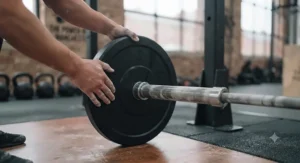
6. Mirafit 20kg Power Bar — best for squat, bench and deadlift-focused training
Where most bars on this list chase spin and whip for dynamic lifts, the Mirafit Power Bar deliberately does the opposite. It uses a larger 29mm shaft diameter (versus the 28mm standard elsewhere on this list) with deeper, more aggressive knurling and composite bushings instead of needle bearings, matching IPF powerlifting specifications across four available finishes.
What that spec combination means in practice: composite bushings create noticeably more friction than bearings, which reduces spin — and reduced spin is exactly what you want during a heavy squat or bench press, where a bar that rotates freely under load can actually feel less stable in your hands. The thicker 29mm shaft also has less whip than the 28mm bars here, meaning less of that springy “loading” sensation on the way down and a more direct, predictable bar path under maximal weight. This is a bar built by subtraction — less spin, less whip, more control — which is precisely the trade-off competitive powerlifters want and dynamic lifters don’t.
Pros:
- ✅ Matches IPF competition specifications
- ✅ Reduced whip for predictable squat/bench feel
- ✅ Deep aggressive knurl secures heavy grip
Cons:
- ❌ Poor choice for snatch or clean & jerk
- ❌ Thicker shaft less comfortable for smaller hands
Sitting in a similar £150-£220 bracket to the Showtime, the Mirafit Power Bar is the correct purchase only if your training is genuinely centred on the squat-bench-deadlift trio rather than Olympic lifting variations.
7. Mirafit Fine City 20kg Barbell — best flagship all-purpose barbell for a do-it-all home gym
Closing out the list, the Mirafit Fine City is positioned by Mirafit as their signature general-purpose bar, and the spec sheet backs that up as a genuine middle ground rather than marketing fence-sitting. A 28.5mm grip diameter splits the difference between the Olympic-lift-friendly 28mm bars and the powerlifting-oriented 29mm Power Bar, while an eight-piece precision needle bearing setup (needle bearings plus uprated inner-race bearings) gives smoother rotation than a pure bushing bar without going as far as the dedicated Showtime’s hybrid system.
The hybrid medium volcano knurl is the other tell here — Mirafit designed it specifically to stay secure without becoming uncomfortable across a session that might include cleans, rows, squats and presses in the same hour, which is realistically how most home gym sessions actually look. Reviewers specifically single out the finish quality on the Cerakote colour options, describing the combination of chrome sleeves and black-coated shaft as looking notably more premium than the price point implies, alongside genuine satisfaction with the all-round lifting feel.
Pros:
- ✅ 28.5mm shaft balances Olympic and power feel
- ✅ Hybrid bearings suit mixed training styles
- ✅ Choice of hard chrome or Cerakote finishes
Cons:
- ❌ Jack-of-all-trades, master of none for specialists
- ❌ Cerakote finishes carry a price premium
Positioned around the £160-£230 range depending on finish, the Mirafit Fine City is the bar to buy if you genuinely don’t know yet which discipline you’ll gravitate towards — it won’t outperform a specialist bar in its specialist lift, but it won’t leave you badly under-equipped for any of them either.
Top 7 Products: Full Comparison Table
| Bar | Shaft Diameter | Load Capacity | Bearing/Bushing Type | Price Range | Best For |
|---|---|---|---|---|---|
| Mirafit M3 | 28mm | 680kg | 4 needle + 4 ball bearings | £100-£150 | General home training |
| METIS Zelus | 28mm | 250kg | 4 needle bearings | £70-£90 | Absolute beginners |
| METIS Hercules | 28mm | 680kg | 8 needle bearings | £100-£150 | CrossFit / Olympic lifts |
| METIS Kratos | 28mm | 910kg | 10 needle bearings | £150-£220 | Serious strength athletes |
| Mirafit Showtime | 28mm | 680kg+ | Hybrid needle bearings | £180-£250 | Snatch / clean & jerk |
| Mirafit Power Bar | 29mm | 680kg | Composite bushings | £150-£220 | Squat / bench / deadlift |
| Mirafit Fine City | 28.5mm | 680kg | 8-piece hybrid bearings | £160-£230 | Do-it-all home gym |
The clearest takeaway from this table is that shaft diameter and bearing type are doing more work than price alone in determining what a bar is actually good at — the Mirafit Power Bar‘s thicker 29mm shaft and bushing setup is a deliberate stiffness trade for squat and bench stability, not a downgrade from the bearing bars around it. If your budget only stretches to one bar and you’re not yet sure which lifts you’ll focus on, the 28-28.5mm bearing bars in the middle of this table (METIS Hercules, Mirafit Fine City) give you the most usable range before you’d ever need a second, more specialised bar.
Benefits of an Olympic Barbell vs Fixed or Adjustable Alternatives
| Factor | Olympic Barbell (loadable) | Fixed-Weight Barbell | Adjustable Dumbbell-to-Barbell Kit |
|---|---|---|---|
| Weight flexibility | Full range via plates | One weight per bar | Limited by plate set |
| Space efficiency | Needs plate storage | Needs a full rack of bars | Most compact option |
| Long-term cost | Higher upfront, lower ongoing | Cheap per bar, expensive as a full set | Cheapest entry point |
| Suitability for progression | Excellent | Poor without buying more bars | Fair, capped by kit weight |
An Olympic barbell wins decisively on long-term value once you account for progression: a single loadable bar plus a modest plate collection covers a strength range that would otherwise require six or seven separate fixed bars sitting in a rack. Fixed bars make sense for commercial gyms where speed between exercises matters more than space, but for a home setup where storage is finite, the loadable Olympic barbell format is almost always the more sensible long-term investment. Adjustable dumbbell-to-barbell kits remain a reasonable stopgap for very limited budgets or flats, but they typically cap out well below what a genuine strength-training programme eventually demands.
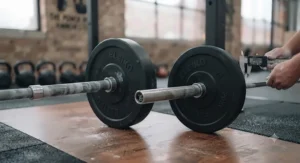
Practical Usage Guide: Setting Up Your Olympic Barbell at Home
Getting a new bar right in the first month matters more than most buyers expect, because bad early habits — over-tightening collars, storing it wrong, skipping the first clean — compound over years of use. Start by wiping down a new bar with a light coat of oil if it’s a bare or hard-chrome finish, since manufacturing residue and light surface rust can appear within days of unboxing if left untreated in a humid garage or shed.
Store the bar horizontally on rack j-hooks or a wall-mounted holder rather than leaning it against a wall — prolonged vertical storage against a hard surface can very gradually bend a bar over years, especially cheaper, thinner-walled shafts. Check sleeve rotation weekly by spinning each end by hand; a bearing bar that’s gone stiff usually just needs a drop of lubricating oil at the sleeve cap rather than a warranty claim. The single most common first-month mistake is over-tightening lock collars so hard that plates can’t be removed without a second person bracing the bar — snug is sufficient, and a spring collar is genuinely easier to live with for most home lifters than a screw collar.
Finally, resist the urge to drop a loaded bar onto a bare concrete or laminate floor “just this once” — even one hard drop onto an unsuitable surface can dent a sleeve or introduce a very slight bend that throws off spin permanently, and it will invalidate most manufacturer warranties outright.
Real-World Scenario: Which Bar Suits Your Situation?
The garage-gym generalist, training 4x a week, budget around £120. This lifter needs one bar to cover squats, deadlifts, presses and the occasional clean, without specialising in anything. The Mirafit M3 or METIS Hercules both fit comfortably, offering enough load capacity and bearing quality for years of mixed programming without forcing a compromise in any one direction.
The CrossFit-curious beginner, small flat, budget under £90. Space and cost are the binding constraints here, and the training intensity doesn’t yet justify a heavy-capacity bar. The METIS Zelus is the honest choice — a comfortable knurl for someone still building calluses, at a weight capacity that won’t be tested for a long while.
The competitive powerlifter-in-training, home rack already installed, budget £180-plus. This lifter is regularly loading heavy squats and benches and needs stiffness and grip over spin. The Mirafit Power Bar is purpose-built for exactly this — its reduced whip and IPF-matching specification directly support the three competition lifts rather than generalising across disciplines that don’t matter to this lifter’s goals.
How to Choose an Olympic Barbell for Home Gym Use
- Match load capacity to your realistic five-year strength, not your current numbers. Buying a bar rated well above where you’ll ever load it isn’t waste — it’s a safety margin and a guarantee you won’t need to replace the bar as you progress.
- Decide bearings versus bushings based on your lift mix. Bearings suit dynamic Olympic lifts where fast sleeve rotation protects your wrists; bushings suit heavy, controlled powerlifting movements where reduced spin adds stability.
- Pick knurl depth for your training style, not for looks. Deep aggressive knurling secures heavy singles but shreds hands during high-rep metcons; a medium or passive-aggressive knurl covers a wider range of session types.
- Check the shaft diameter against your grip size and lift type. 28mm suits most lifters and Olympic-style lifts; 29mm powerlifting shafts feel noticeably stiffer and better suit big three lifters with larger hands.
- Confirm sleeve diameter and plate compatibility before buying. Every bar here uses standard 50mm Olympic sleeves, but always double-check against any plates you already own to avoid a mismatched set.
- Factor in finish and storage conditions. Hard chrome resists rust best in damp garages; Cerakote and black oxide finishes look sharper but need slightly more care in humid environments.
- Verify rack and clip compatibility before you order. Not every rack j-hook or spring collar suits every sleeve length — measure your existing setup rather than assuming universal fit.
Barbell Knurling Explained: What the Pattern on the Shaft Actually Does
Knurling is the cross-hatched texture cut into the steel shaft, and its depth and pattern directly determine how secure your grip feels as your hands sweat and fatigue through a session. A light or “hill-style” knurl, like the one on the METIS Zelus, prioritises comfort over aggression — fine for lower loads and higher rep counts, but it can start to feel unreliable once you’re gripping near your one-rep max. A deep “volcano” or aggressive knurl, seen on the METIS Kratos and Mirafit Power Bar, digs into the palm more firmly and holds under heavy sweat, at the cost of comfort during long, high-volume sessions.
Centre knurling — a small knurled section in the middle of the bar — matters specifically for back squats, where it grips your shirt or upper back to stop the bar sliding, but it’s genuinely unpleasant for anyone doing barbell rows, cleans or deadlifts where the bar contacts the shins or thighs. Several bars in this guide, including the Mirafit M3, deliberately skip centre knurling for exactly that reason. If your programming leans towards general strength and conditioning rather than dedicated squat specialisation, a bar without centre knurl is very likely the more comfortable long-term choice.
Bar Whip and Flex: Why Some Bars Bend More Than Others
Whip refers to how much a barbell flexes and rebounds under load — think of the visible bend and spring-back you see in Olympic lifting when a heavily loaded bar bounces during a clean pull. It’s governed by steel composition, shaft diameter and heat treatment, and it’s a deliberate design choice rather than a flaw: Olympic weightlifting bars are engineered with more whip to help momentum carry the bar upward during fast pulls, while powerlifting bars like the Mirafit Power Bar are engineered with minimal whip so the loaded bar feels stiff and predictable during a controlled squat descent.
What most buyers overlook is that more whip isn’t automatically “worse” — it’s simply mismatched to the wrong lift. A whippy bar loaded for a max-effort back squat can feel unstable and unnerving, while a stiff powerlifting bar used for cleans robs you of the natural spring that helps the bar accelerate off the floor. The thicker 29mm shaft on the Mirafit Power Bar reduces whip through sheer material stiffness, while the 28mm shafts across the METIS and other Mirafit bars retain more natural flex suited to Olympic-style pulling.
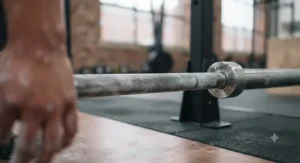
Olympic Bar Weight Capacity: How Much Load Ratings Actually Matter
Weight capacity — the maximum static load a bar is rated to handle safely — ranges from 250kg on the entry-level METIS Zelus to 910kg on the METIS Kratos across this guide, and that gap looks dramatic until you consider what it means in real training terms. Very few home lifters will ever load a bar to even half its rated capacity; the rating exists as a safety and durability margin, not a target to approach.
That said, capacity matters more than it first appears once you factor in longevity. A bar rated close to your current working weight is more likely to develop a permanent bend (rather than the temporary, elastic whip discussed above) over years of repeated loading near its limit, whereas a bar with generous headroom stays well within its elastic range indefinitely. Based on the spec comparison across this guide, buying roughly double your realistic five-year max lift is a sound rule of thumb — which for most home lifters means a 680kg-rated bar is more than sufficient, and the 910kg METIS Kratos is genuinely aimed at competitive strength athletes rather than the average home gym user.
Home Gym Rack Compatibility: Making Sure Your Bar Actually Fits
Every bar in this guide uses the standard 220cm (7ft) length and 50mm sleeve diameter, which fits the overwhelming majority of UK squat racks and power cages sold for home use — but length and sleeve diameter aren’t the only compatibility factors worth checking. J-hook depth varies between rack brands, and a bar with thicker sleeves (like the composite-bushing Mirafit Power Bar) can occasionally sit differently in shallow hooks than a bearing bar with a slimmer sleeve profile.
Safety catches and spotter arms are the other detail people miss: measure the internal width of your rack’s safety bars against your bar’s usable centre-knurl length before buying, particularly if your rack was designed with a slightly narrower footprint for small UK box rooms and garages. If you’re working with limited ceiling height, also check your rack’s total height against your home’s clearance before ordering — an Olympic bar itself won’t cause clearance issues, but a rack sized for it might.
Common Mistakes When Buying an Olympic Barbell
Buying on price alone without checking tensile strength or bearing type is the single most frequent error — a cheap bar with unlisted or vague specifications is often cheap for a reason that only becomes apparent after months of use. Ignoring knurl type is a close second: buyers frequently choose based on load capacity numbers alone and end up with a bar that’s either too aggressive for their hands or too passive for their grip needs.
Overlooking sleeve rotation type is another common gap — bushings and bearings suit genuinely different training styles, and a lifter who buys a bushing-based powerlifting bar expecting Olympic-lift-style spin will be disappointed regardless of how well-built the bar actually is. Finally, many first-time buyers skip checking their rack’s j-hook and safety-arm compatibility entirely, assuming all Olympic bars are interchangeable with all racks, which is broadly true for length and sleeve diameter but not always true for hook depth and centre-knurl positioning.
Long-Term Cost and Maintenance
A quality Olympic barbell is genuinely a buy-once purchase for most home lifters — unlike cardio machines or resistance bands that wear out on a predictable schedule, a well-maintained steel bar with a durable finish can realistically last well over a decade of regular use. That changes the cost-per-use maths considerably: a Mirafit Fine City at roughly £200 used three times a week for ten years works out to under 15 pence per session, which comfortably undercuts even a modest monthly gym membership over the same period.
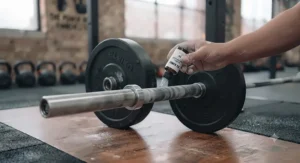
Maintenance costs are minimal but not zero. Budget for occasional 3-in-1 oil or dedicated barbell lubricant for the sleeves (a small bottle typically lasts years), and factor in the very rare cost of a replacement collar if a spring clip wears out. The NHS guidelines on muscle-strengthening activity recommend strength training at least twice a week for adults, which is a genuinely useful frame for weighing the total cost of ownership against years of consistent use rather than a single purchase price.
Safety and Regulations: What UK Buyers Should Know
Olympic weightlifting itself is governed internationally by the International Weightlifting Federation, whose official equipment specifications define the exact dimensions — 20kg weight, 220cm length, 28mm grip diameter — that every genuinely “Olympic spec” bar in this guide is built around, even though none of them are individually competition-certified. In the UK, the national governing body for the sport is British Weight Lifting, which oversees coaching standards and competition rules for anyone progressing from home training towards organised weightlifting.
For general home gym equipment more broadly, strength training kit sold in the UK falls under general product safety requirements, and reputable manufacturers reference recognised testing standards for load capacity and material quality even on non-competition bars. Practically, that means checking a manufacturer’s stated tensile strength and load rating isn’t just marketing detail — it’s the closest proxy a home buyer has to independent verification, so treat vague or missing specifications as a genuine red flag rather than an oversight.
🏋️ Ready to Build Your Home Gym Properly?
🔍Compare current prices on the bars above and lock in the right Olympic barbell for your training goals before stock or pricing shifts. Click through on any of the bold product names to check availability today.
Frequently Asked Questions
❓ What's the difference between an Olympic barbell and a standard barbell?
❓ How much weight can a 20kg Olympic barbell hold?
❓ Do I need a bearing bar or a bushing bar for home use?
❓ Is a cheap Olympic barbell safe for home gym use?
❓ What size rack do I need for an Olympic barbell?
Conclusion
Choosing an Olympic barbell for home gym use ultimately comes down to matching the bar’s engineering to your actual training, not chasing the highest load rating or the most bearings on principle. The METIS Zelus and Mirafit M3 cover beginners and general home training brilliantly; the METIS Hercules and Mirafit Fine City sit in a genuinely versatile mid-range that suits most mixed programming; and the METIS Kratos, Mirafit Showtime and Mirafit Power Bar each specialise for strength athletes, Olympic lifters and powerlifters respectively.
None of these seven bars is objectively “the best Olympic barbell” — the honest answer, based on the spec comparison throughout this guide, is that the best bar is the one whose knurl, whip and rotation type match the lifts you’re actually doing most weeks. Get that match right and a quality bar becomes one of the few pieces of gym equipment you’ll never think twice about again.
💪 Found Your Bar? Check Current Prices Now
🔍Take the guesswork out of your next purchase — click through on any product above to check today’s availability and current price before you commit.
Recommended for You
- Barbell Under £150: 7 Brilliant Buys for UK Home Gyms (2026)
- Buy Trap Bar 2026: 7 Hex Bars UK Lifters Actually Rate
- Adjustable Dumbbells vs Fixed Dumbbells: 7 Picks Ranked (2026)
Disclaimer: This article contains affiliate links. As an Amazon Associate, I earn from qualifying purchases. If you purchase products through these links, we may earn a small commission at no additional cost to you.
✨ Found this helpful? Share it with your friends! 💬🤗
