In This Article
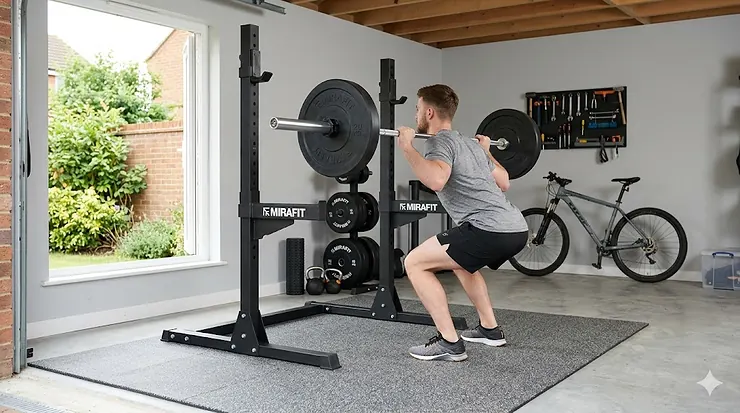
Independent squat stands have become the go-to solution for British home gym enthusiasts who lack the space for a full power rack but refuse to compromise on serious strength training. Unlike their bulkier cousins, these freestanding units can be tucked away in a garage corner in Reading or a spare bedroom in Glasgow without demanding permanent floor space. What most buyers overlook is that the “independent” designation isn’t just marketing speak — it means each stand operates autonomously, allowing you to adjust width, height, and placement to suit everything from narrow Olympic bars to wider bench press setups. In my experience reviewing fitness equipment across the UK market, the versatility of independent squat stands makes them particularly valuable for British homes where every square metre counts, especially in terraced housing or converted garage gyms where a fixed rack would render the space unusable for anything else.
The real advantage becomes clear when you consider British living constraints. Your typical power rack footprint runs around 120cm x 120cm and stands permanently in place. Independent squat stands? Each unit measures roughly 50cm x 50cm at the base, and you can separate them by whatever distance your barbell requires, then stack them against the wall when finished. For lifters in flats or homes with damp garages — rather common across the Midlands and North — this mobility prevents your equipment from becoming a permanent rust magnet in one spot. The adjustable height range on quality models (typically 95cm to 165cm) accommodates everyone from a 5’2″ partner doing overhead press to a 6’4″ lifter squatting heavy, all without the faff of owning multiple pieces of kit. Regular strength training offers numerous health benefits, from improved bone density to better metabolic health, making home gym investment worthwhile for long-term wellbeing.
Quick Comparison: Top Independent Squat Stands UK 2026
| Model | Height Range | Max Load | Price Range | Best For |
|---|---|---|---|---|
| Mirafit M3 | 100-165cm | 250kg | £200-£280 | Serious home lifters wanting commercial durability |
| Bodypower Independent | 121-146cm | 200kg | £110-£160 | Budget-conscious beginners with limited ceiling height |
| Pullum Pro-R | 93-165cm | 300kg+ | £320-£400 | Advanced lifters who need UK-made quality |
| Strength Shop Original | 100-165cm | 250kg | £180-£240 | Mid-range option with UHMW-lined J-cups |
| Gym Master Adjustable | 108.5-168.5cm | 250kg | £130-£190 | Home users wanting built-in plate storage |
| Future Freestanding | Variable | 200kg | £90-£140 | Entry-level buyers testing the waters |
| FORZA Adjustable | 108-158cm | Not specified | £150-£210 | Commercial gyms needing multiple stations |
From the comparison above, the Mirafit M3 offers the best value under £300 for lifters who plan to progress beyond 150kg squats — its UHMW-lined J-cups protect your barbell knurling whilst the welded construction means it won’t wobble when you’re grinding out that final rep. Budget buyers should note that the Bodypower Independent sacrifices some height adjustment range for its lower price, which matters if you’re over 6 feet tall or planning to use it for standing overhead press. What’s particularly telling is that most UK-specific brands (Mirafit, Pullum, Strength Shop) cluster around the 250kg load capacity — not because British lifters are weaker, but because home gym insurance and safety considerations typically cap residential equipment at loads a trained individual can safely bail from without catastrophic damage to property.
💬 Just one click — help others make better buying decisions too!😊
✨ Don’t Miss These Exclusive Deals!
🔍 Take your home strength training to the next level with these carefully selected products. Click on any highlighted item to check current pricing and availability on Amazon.co.uk. These picks will help you find exactly what you need!
Top 7 Independent Squat Stands: Expert Analysis
1. Mirafit M3 Independent Squat Stands
The Mirafit M3 stands represent what happens when a British brand actually listens to garage gym owners in Manchester and Cardiff rather than copying American designs wholesale. The standout feature here is the UHMW (ultra-high molecular weight polyethylene) lining on the J-cups, which means you can rack and re-rack a beaten-up 20kg Olympic bar dozens of times daily without shredding the finish. In practical terms for UK buyers: if you’re training in an unheated garage through a damp February, this kit won’t rust through its powder coating the way cheaper steel-on-steel contact points do.
Key specifications tell half the story — 100cm to 165cm height adjustment, 250kg maximum load, 2-inch square steel tubing construction — but what matters is how these translate to your training. The 250kg capacity isn’t a suggestion; it’s tested by lifters squatting 180kg-200kg plus the bar weight itself. The H-frame base design with wide footprint (approximately 50cm depth) means stability during heavy racking without needing to bolt these to your garage floor, which most UK landlords and homeowners appreciate. Each stand weighs around 25kg, heavy enough to resist wobble but light enough for one person to shift when you need to reclaim the garage for an actual car.
Customer feedback from UK buyers consistently highlights two points: assembly requires two people (the bolt alignment is fiddly), but once built, these inspire genuine confidence under load. One Sheffield-based reviewer noted they’ve been squatting 160kg for six months with zero movement or instability. The trade-off for this sturdiness is price — expect to pay in the £240-£280 range — but you’re buying commercial-grade equipment that’ll outlast three budget alternatives.
✅ UHMW-lined J-cups protect barbell knurling
✅ Stable H-frame base doesn’t require floor bolting
✅ UK brand with readily available replacement parts
❌ Requires two people for assembly
❌ Premium pricing versus entry-level alternatives
Around £240-£280 represents excellent value for lifters who’ve outgrown beginner equipment and need stands that won’t become the weak link in their home gym.
2. Bodypower Independent Squat Stand
The Bodypower Independent pair targets the entry-level segment without resorting to the flimsy construction that plagues sub-£100 alternatives. Height adjustability from 121cm to 146cm immediately signals this kit’s limitation — if you’re over 6 feet or planning standing overhead press work, you’ll find the maximum height restrictive. Where it excels is in compact home gyms where ceiling height might already be limited (common in British loft conversions or basement spaces).
The adjustable safety spotters deserve specific mention because most competitors at this price point omit them entirely. These extend outward from the uprights and will catch a failed squat or bench press attempt, which transforms solo training from risky to merely cautious. Each spotter arm measures approximately 20cm in length — enough to prevent you being trapped under the bar but short enough that they don’t extend far from the stand’s footprint. The 200kg maximum load capacity handles most intermediate lifters comfortably; once you’re regularly squatting beyond 140kg for reps, you’ll want to upgrade to heavier-duty stands, but for the first 12-18 months of serious barbell training, this capacity suffices.
UK availability through Fitness Superstore and Amazon.co.uk typically sees these in the £130-£160 bracket with Prime delivery. Several Scottish buyers noted that assembly took under 30 minutes solo, and the turn-and-pull height adjustment mechanism works smoothly even after months of use. The main complaint centres on the 25cm limited height range compared to competitors offering 60cm+ adjustment spans.
✅ Adjustable safety spotters included at entry price
✅ Compact design suits low-ceiling spaces
✅ Simple height adjustment mechanism
❌ Limited 121-146cm range restricts tall users
❌ 200kg capacity lower than premium alternatives
For lifters in the £130-£160 budget range who understand they may eventually outgrow these stands, the Bodypower Independent delivers solid fundamentals without obvious weak points.
3. Pullum Pro-R Adjustable Squat Stands
Pullum Pro-R stands carry the “Made in the UK” designation, which means two things for British buyers: premium pricing (£320-£400) and genuine commercial-grade construction from a Yorkshire-based manufacturer who supplies professional gyms nationwide. The 93cm to 165cm height range — the lowest starting position in this roundup — makes these particularly valuable for bench press work where you need the bar racked at chest level, not shoulder height.
What justifies the cost is the 18 adjustable positions in 4cm increments across a 72cm span. Compare this to cheaper stands offering 8-10 positions in 6-8cm jumps, and you understand why coaches and serious home lifters gravitate to Pullum equipment. When you’re setting up for a one-rep max squat, having the bar at precisely the right height — not “close enough” — reduces injury risk and improves lifting mechanics. The box steel construction is fully welded rather than bolted, which eliminates the gradual loosening that afflicts cheaper stands after months of heavy use.
UK buyers should note Pullum operates on a made-to-order basis with approximately 4-6 weeks manufacturing time, though they maintain some stock. Several London-based powerlifting coaches mentioned these stands in online reviews, noting they’ve held up to daily commercial use across multiple clients without any degradation. The optional linking stabiliser bar (sold separately for around £40-£60) connects the two stands for added rigidity when squatting beyond 200kg, though most home users find this unnecessary.
✅ UK-manufactured with commercial-grade welding
✅ 18 height positions allow precise adjustment
✅ Lowest starting height (93cm) excellent for bench press
❌ Premium £320-£400 price point
❌ Made-to-order with 4-6 week lead time
For advanced lifters who view equipment as a long-term investment rather than an expense, the Pullum Pro-R justifies its cost through superior adjustability and British manufacturing quality that’ll serve you for a decade-plus.
4. Strength Shop Original Squat Stands (Black)
The Strength Shop Original occupies the sweet spot between budget compromises and premium excess, typically landing around £180-£240 depending on current stock. These Scottish-designed stands earned their reputation in CrossFit boxes and garage gyms throughout Edinburgh and Glasgow before gaining wider UK distribution. The deepened base frame and extended triangular support bracing provide noticeably better stability than simpler H-frame designs, particularly when you’re racking the bar after a heavy set with less precision than you’d like.
Height adjustment spans 100cm to 165cm using a pin-clamp and screw-pin mechanism that’s more secure than simple pop-pin systems but requires slightly more effort to change. In practical terms: you’ll set your height once at the beginning of a session and leave it there, which suits most training patterns. The inclusion of dip bars on the rear of each stand adds functional versatility — weighted dips become part of your programming without needing separate equipment. Each dip handle supports bodyweight up to 125kg, covering the vast majority of UK lifters plus reasonable additional loading.
UK and Irish customer reviews highlight exceptionally fast delivery (one Cork-based buyer received theirs within 24 hours of ordering from the Motherwell warehouse) and straightforward assembly that takes less time than removing the protective bubble wrap. The main criticism from larger lifters centres on stand spacing — those over 6’3″ with broad shoulders report the hole spacing makes unracking for front squats slightly awkward. This isn’t a deal-breaker but bears mentioning for taller athletes.
✅ Stable triangular support bracing design
✅ Integrated dip bars add training versatility
✅ Fast UK delivery from Scottish warehouse
❌ Stand spacing can feel cramped for lifters over 6’3″
❌ Pin-clamp adjustment slower than pop-pin systems
At £180-£240, the Strength Shop Original delivers notably better stability than entry-level alternatives whilst undercutting premium brands by £100-£150 — excellent value for intermediate lifters.
5. Gym Master Adjustable Squat Rack Stand
The Gym Master Adjustable distinguishes itself with built-in plate storage pegs extending 7 inches from each upright base. This seemingly minor feature dramatically improves training flow — rather than walking across your garage to fetch a 20kg plate, it’s right there on the stand, and the additional weight low on the base adds stability during heavy lifts. Each peg accommodates both 1-inch standard and 2-inch Olympic plates, providing versatility for lifters transitioning from budget equipment to proper Olympic bars.
Height adjustment from 108.5cm to 168.5cm across 13 positions (5cm intervals) covers the essential training range, though the 5cm gaps mean you occasionally end up with the bar slightly higher or lower than ideal. The 250kg maximum load capacity aligns with most serious home gym requirements, and the gunmetal-coated finish handles British garage conditions better than basic black powder coating — several Wales-based buyers reported no rust issues after a year in unheated, damp storage spaces.
The fixed spotter bars adjust separately across 6 positions, functioning adequately for bench press safety but lacking the fine-tuning of higher-end models. What you’re really buying here is convenience and storage efficiency — the plate horns keep your workout area organised and reduce the floor space consumed by loose weight plates. Assembly requires basic spanners (10mm, 13mm, 17mm) and takes approximately 45 minutes for one person working methodically.
✅ Built-in plate storage pegs add stability and convenience
✅ Gunmetal coating resists rust in damp conditions
✅ Compatible with both standard and Olympic equipment
❌ 5cm height intervals less precise than premium alternatives
❌ Fixed spotter bar positions limit adjustment
Priced around £130-£190, the Gym Master Adjustable offers excellent value for home gym owners who appreciate integrated storage and don’t require commercial-grade precision.
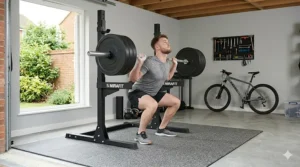
6. Future Freestanding Adjustable Squat Stands
The Future Freestanding stands target absolute beginners and budget-conscious buyers willing to accept a 200kg weight capacity as a temporary limitation rather than a permanent ceiling. Available through UK Gym Equipment Ltd for approximately £90-£140, these represent the minimum viable product for safe barbell training — anything cheaper typically involves dangerous compromises in steel thickness or weld quality.
Height adjustability isn’t specified with exact measurements in manufacturer literature, which itself signals the budget positioning, but customer photos suggest a range similar to other entry-level models (roughly 110-150cm). The stands accommodate both standard 1-inch and Olympic 2-inch barbells, making them suitable for lifters transitioning from basic home weights to proper training bars. The safety arms adjust to catch failed lifts, though the limited positions mean you’re choosing between “too high” and “too low” rather than finding the perfect height.
What saves these from irrelevance is honest positioning — Future doesn’t pretend these match commercial equipment. They’re rated for home use explicitly, expected to serve 12-24 months whilst you determine whether serious strength training becomes a permanent lifestyle or a passing phase. Several UK buyers mentioned using these successfully for their first year of Starting Strength or StrongLifts 5×5 programming before upgrading to heavier-duty stands as their squat exceeded 120kg.
✅ Entry-level pricing around £90-£140
✅ Suitable for beginners testing commitment
✅ Compatible with standard and Olympic bars
❌ 200kg capacity limits progression
❌ Basic construction expected to need replacement
For absolute beginners uncertain about long-term commitment, the Future Freestanding provides adequate safety and functionality whilst you establish consistent training habits.
7. FORZA Adjustable Squat Rack
The FORZA Adjustable positions itself for commercial gyms and serious home users through heavy-duty steel construction and adjustable height from 108cm to 158cm. The anti-slip rubber feet protect gym floor surfaces whilst providing level stability on uneven garage floors — a consideration many British buyers underestimate until they realise their concrete slab isn’t actually flat.
The powder coating carries a premium black finish that resists the minor impacts and scratches from daily training better than basic paint. Safety spotters with strong steel construction catch dropped barbells during squats, offering genuine protection rather than the token spotters found on cheaper alternatives. The stands accommodate any barbell length from 5-foot to 7-foot, making them compatible with both space-saving short bars and full Olympic 7-foot bars.
UK customer feedback highlights ease of height adjustment between users — a significant consideration for commercial settings where multiple clients train with different biomechanics. One Cheshire-based garage gym owner noted these stands have served three family members ranging from 5’6″ to 6’2″ without any complaints about setup inconvenience. The main limitation is the upper 158cm height ceiling, which restricts very tall lifters doing overhead press movements.
✅ Robust construction suitable for commercial use
✅ Anti-slip rubber feet protect floors and provide stability
✅ Easy height adjustment suits multiple users
❌ 158cm maximum height limits tall lifters
❌ Weight capacity not specified by manufacturer
Priced around £150-£210, the FORZA Adjustable delivers commercial-grade construction at near-home-gym pricing, though the unspecified weight rating raises questions about maximum safe loading.
Setting Up Your Independent Squat Stands: A Practical UK Guide
First-time setup of independent squat stands requires more attention than simply unboxing and assembling — your training safety depends on getting the details right from day one. Start by assessing your garage or spare room floor surface. British concrete garage floors rarely run perfectly level, particularly in older properties where settling has occurred over decades. Place each stand in position and check for wobble; if present, use rubber floor mats (available from Screwfix for £15-£25) to create a stable, level platform. Never attempt to compensate for an unlevel floor by wedging cardboard or wood under one stand — this creates an unstable base that’ll shift under load.
Height adjustment should position the bar roughly at mid-chest level for squats, which allows you to duck under the bar without excessive hip flexion or standing on tiptoes to unrack. For most British adults (average male height 175cm, female 162cm), this translates to approximately 120-140cm bar height. Taller lifters need proportionally higher settings, but here’s what manufacturers won’t tell you: the higher you rack the bar, the less stable the stands become. Physics dictates that weight positioned high on a narrow base creates toppling risk. Combat this by loading 10kg or 20kg plates onto the base storage pegs (if fitted) or placing heavy kettlebells around the base feet.
Safety spotter arms should be set 5-8cm below your lowest squat depth. Test this by squatting with an empty bar — your chest should touch the bar at the bottom of your squat before the bar contacts the spotter arms. If the spotters interfere with your squat depth, they’re too high; if there’s a 15cm gap between your lowest position and the spotters, they’re too low to catch a failed lift. British buyers often neglect this crucial adjustment because it requires trial and error with an unloaded bar, but five minutes of proper setup prevents catastrophic gym fails.
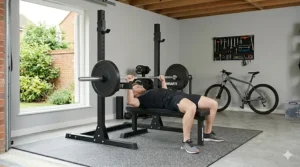
For bench press specifically, position the stands slightly wider than shoulder width and ensure your bench sits far enough back that your face clears the uprights when the bar moves vertically. The J-cups should allow you to unrack the bar with straight arms whilst lying on the bench — if you need to press upward to clear the hooks, the height is wrong. In damp British garages, wipe down the stand’s adjustment pins monthly with WD-40 or GT85 to prevent corrosion that makes height changes difficult.
Real-World Training Scenarios: Matching Stands to UK Lifters
The London Commuter (Budget: £150-£250): Living in a Zone 3 flat with a small second bedroom converted to a home gym, space efficiency matters more than maximum weight capacity. The Strength Shop Original or Bodypower Independent both fold compactly against the wall between sessions, crucial when you’re paying £1,400 monthly rent for 650 square feet. Noise considerations matter in multi-occupancy buildings — independent stands produce less clang than full power racks when racking the bar, keeping neighbours happier. Priority: compact storage, reasonable price, adequate weight capacity for progressive training without aspirations of competitive powerlifting.
The Semi-Detached Suburban Family (Budget: £180-£320): A household in Nottingham or Leicester with a garage gym shared between two adults needs adjustability and durability. The Mirafit M3 or Gym Master Adjustable accommodate different user heights effortlessly whilst the integrated plate storage keeps the garage organised enough that you can still park a car when needed. British suburban garages often lack heating, making rust-resistant powder coating and UHMW-lined J-cups valuable investments. Priority: multi-user adjustability, weather resistance, plate storage to maximise limited space.
The Rural Scotland Heavy Lifter (Budget: £300-£400): Training solo in a converted barn outside Inverness, this lifter needs maximum load capacity and reliability without convenient access to replacement parts or warranty service. The Pullum Pro-R manufactured in Yorkshire provides UK-made quality with customer service a phone call away, whilst the 300kg+ capacity handles serious programming including heavy rack pulls and partial squats. Damp Scottish conditions demand quality welding and robust coating. Priority: maximum load rating, UK-sourced with local support, built to last decades not years.
Each scenario illustrates that the “best” independent squat stands depend entirely on your specific circumstances — training goals, living constraints, budget realities, and climate all factor into the decision more heavily than arbitrary rankings or spec-sheet comparisons.
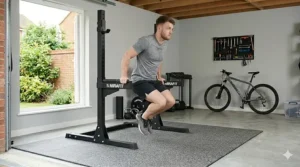
How to Choose Independent Squat Stands in the UK
Selecting independent squat stands requires balancing six critical factors, each weighted according to your training phase and circumstances:
1. Weight Capacity Reality Check: Manufacturers list maximum loads, but experienced lifters add a 20-30% safety buffer. A stand rated for 250kg shouldn’t regularly support 250kg — aim for your working sets to stay under 180-200kg on such equipment. UK regulations don’t mandate testing standards for home gym equipment, so these ratings represent manufacturers’ claims rather than certified limits. If you’re currently squatting 100kg but expect to reach 150kg within two years, buy stands rated for at least 200kg now rather than upgrading later. Understanding proper squat technique and progressive loading helps you select equipment that matches your training trajectory.
2. Height Adjustment Range and Precision: Entry-level stands offer 8-10 height positions across a 40-50cm range; premium models provide 15-18 positions across 60-70cm. The difference becomes critical when setting up for bench press where a 3cm height variation determines whether you’re grinding your shoulders into the bench or extending on tiptoes to unrack. Taller British lifters (over 6 feet) should prioritise models with maximum heights exceeding 160cm, particularly if overhead press features in programming.
3. Base Stability Design: H-frame bases with wide footprints (50cm+ depth) resist tipping better than narrow designs. Some models feature adjustable base depth — shallower for storage, extended for training — which sounds clever until you forget to extend the base before loading 140kg onto the bar. Examine customer reviews for mentions of wobble or movement during use; if multiple UK buyers report instability, the design has flaws no amount of careful setup will overcome.
4. J-Cup Protection: Steel-on-steel contact between J-cups and your barbell destroys the knurling over time. UHMW plastic lining (found on Mirafit, Strength Shop, and Pullum models) prevents this wear whilst reducing noise. Budget stands use bare steel or thin rubber coating that wears through within months. If you’re using a decent Olympic barbell (£150-£300), protecting the knurling justifies spending extra on stands with proper J-cup lining.
5. Safety Spotter Configuration: Adjustable spotter arms that extend from the uprights catch failed lifts without restricting your range of motion when set correctly. Fixed spotters or models lacking spotters entirely force you to train with a human spotter for any max-effort work — impractical for home gym owners training solo. Check whether spotter positions adjust independently from J-cup positions; cheap stands link these together, creating compromises when setting up for different exercises.
6. UK Availability and Support: Buying from British retailers or UK-based brands (Mirafit, Pullum, Strength Shop) ensures straightforward returns under Consumer Rights Act 2015, replacement parts availability, and customer service during GMT hours rather than dealing with US-based suppliers operating on incompatible time zones. Brexit import duties now apply to EU equipment, potentially adding 15-25% to advertised prices from European retailers — factor this into comparisons with UK-sourced alternatives.
Common Mistakes When Buying Independent Squat Stands
Mistake #1: Assuming All 250kg Ratings Are Equal
Not all steel construction is created equal. A 250kg rating on 2-inch square 11-gauge steel tubing (wall thickness 3mm) provides genuine safety margin. The same rating on 2-inch square 14-gauge tubing (wall thickness 2mm) represents optimistic marketing. British buyers cannot easily verify gauge thickness from product photos, so rely on brand reputation and UK customer reviews mentioning heavy loading rather than trusting specifications alone. Established UK brands like Mirafit and Pullum have reputations to protect; no-name imports from unknown sellers often apply ratings generously.
Mistake #2: Ignoring Ceiling Height
British home gym spaces frequently exist in garages with 210-230cm ceiling height or loft conversions with sloped ceilings creating limited vertical space. Adding 20kg plates to the bar on 145cm-high stands requires approximately 185cm total height clearance when loading plates overhead. Measure your actual usable space before ordering — several disgruntled Amazon.co.uk reviews mention stands that technically fit the room but leave insufficient clearance for practical use.
Mistake #3: Overlooking British Weather Impact
Unheated British garages experience temperature swings from 2°C winter nights to 25°C summer days, combined with persistent humidity from autumn through spring. Cheap powder coating fails within months; quality finishes last years. Similarly, adjustment pins made from basic mild steel corrode and seize in damp conditions, rendering height changes impossible without WD-40 soaking and considerable swearing. The £50-£80 premium for better coating and corrosion-resistant hardware pays for itself by eliminating these headaches.
Mistake #4: Buying Maximum Features on Minimum Budget
Entry-level stands (£90-£140) that claim adjustable width, adjustable spotters, plate storage, dip attachments, and pull-up bars inevitably compromise quality somewhere to hit the price point. Budget buyers fare better purchasing simple, well-built stands that do fewer things properly rather than elaborate designs using thinner steel and cheaper components throughout. The Bodypower Independent succeeds by focusing on core functionality; bargain-bin alternatives fail by attempting luxury features with economy materials.
Mistake #5: Neglecting UKCA Marking and Compliance
Since 2021, gym equipment sold in Great Britain should carry UKCA marking indicating compliance with UK safety legislation (or CE marking for goods sold before 2025). Stands lacking this marking may not meet British safety standards and could void your home insurance if equipment failure causes property damage or injury. Reputable UK retailers only stock compliant equipment, but private imports or marketplace sellers sometimes list non-compliant products. When in doubt, purchase from established fitness retailers rather than taking chances with unknown sellers.
Independent Squat Stands vs Full Power Racks: The UK Reality
The choice between independent squat stands and full power racks often comes down to one question: can you permanently dedicate 1.5 square metres of floor space to training equipment? For British households where spare rooms measure 3m x 3m and garages barely accommodate a modern car, this isn’t trivial.
Independent squat stands excel in flexibility. Each session, you pull them from wall storage, position them for training, load plates, work out, then stack them away. A full power rack bolted to the floor becomes permanent infrastructure — remarkable if you have the space, problematic if you’re renting or might need the garage for an actual vehicle during a British winter.
Safety comparisons favour power racks when lifting genuinely heavy weights (180kg+ squats). The enclosed design with safety pins on four sides provides redundancy that independent stands cannot match. However, properly configured independent stands with spotter arms and appropriate weight relative to their capacity provide adequate safety for 95% of home gym users who’ll never squat beyond 140kg for reps.
Cost differential in the UK market runs approximately £200-£300 for quality independent stands versus £400-£800 for a comparable power rack. This gap widens when you consider that independent stands require no floor mounting (protecting rental deposit if you’re renting) and can move house easily. Power racks demand professional dismantling or remain behind as part of the property.
For British lifters squatting under 120kg and prioritising space efficiency, independent stands represent the pragmatic choice. Advanced lifters handling 160kg+ and training for competition should seriously consider full racks despite space constraints. Everyone else falls into grey area where personal circumstances — budget, space, training frequency, progression goals — determine the right answer.
UK Regulations, Safety Standards & Legal Requirements
British gym equipment exists in a regulatory grey area between commercial fitness kit and consumer products, but certain standards apply regardless of marketing categories. Equipment sold in Great Britain (England, Scotland, Wales) should carry UKCA marking demonstrating compliance with relevant safety legislation. For squat stands, this primarily involves the Supply of Machinery (Safety) Regulations 2008, though enforcement remains inconsistent for home gym products versus commercial equipment.
BS EN 957 covers stationary training equipment and sets requirements for safety, performance and durability that commercial gym equipment must meet. Whilst independent squat stands sold for home use don’t legally require EN 957 certification, reputable manufacturers often design to these standards anyway as a quality benchmark. UK buyers can request Declaration of Conformity documentation from retailers, though few bother — if you’re spending over £250 on stands, asking for this paperwork demonstrates due diligence.
Since the UK’s departure from the EU, UKCA marking applies to goods placed on the market in Great Britain, whilst CE marking remains recognised in Northern Ireland and relevant for UK companies exporting to the EU. This creates a transitional period where both markings appear on equipment. Northern Irish buyers should verify CE marking specifically; Scottish, Welsh, and English buyers should look for UKCA marking on products manufactured after December 2024.
From a practical liability perspective: home gym equipment isn’t subject to the Provision and Use of Work Equipment Regulations (PUWER) that govern commercial gyms, but British home insurance policies often include clauses about modifications and additions to property. If you’ve converted a garage to a gym and a squat stand failure causes £5,000 damage to your car, your insurer may question whether the equipment met appropriate safety standards. Keeping proof of purchase from reputable UK retailers and any Declaration of Conformity documents provides protection against such disputes.
Weight capacity ratings lack legal standardisation — manufacturers self-certify rather than submit to independent testing. This doesn’t mean the ratings are fiction, but it does mean conservative interpretation serves safety. British consumer protection under Consumer Rights Act 2015 provides 30-day return rights for faulty goods, extended rights for goods that fail prematurely, and protection against misleading descriptions. If stands rated for 250kg collapse under 200kg during normal use, you have legal recourse against the retailer for breach of satisfactory quality requirements.
Long-Term Cost & Maintenance in the UK
Independent squat stands represent a one-time capital expenditure that, with proper care, requires minimal ongoing costs beyond occasional replacement parts. British garage conditions accelerate wear compared to climate-controlled indoor gyms, making maintenance particularly relevant for UK buyers.
Initial Investment Breakdown:
- Entry-level stands: £90-£140
- Mid-range quality: £180-£280
- Premium UK-made: £320-£400
- Floor protection mats: £15-£40
- Barbell if not owned: £100-£300
- Weight plates per 20kg pair: £40-£80
Annual Maintenance Costs:
Properly maintained stands require virtually no expenditure. Monthly wipedown of adjustment pins with penetrating oil (GT85, £6 for a year’s supply) prevents corrosion. Annual inspection of welds and powder coating reveals any degradation before failure. Replacement J-cups or spotter arms (if damaged) run £25-£60 per pair from UK suppliers.
Replacement Timeline Expectations:
Budget stands (under £150): Expect 3-5 years service before metal fatigue or coating failure necessitates replacement
Mid-range stands (£180-£280): 8-12 years with proper maintenance
Premium stands (£300-£400): 15-20+ years, often outlasting the buyer’s interest in training
Cost Per Training Session Analysis:
Assuming £240 invested in mid-range stands, 3 training sessions weekly, 48 weeks annually (allowing holidays), over 10 years: 1,440 sessions total. Cost per session: £0.17. Compare this to commercial gym membership at £35-£55 monthly (£420-£660 annually) and the equipment pays for itself within the first year even accounting for barbell and weight plate investment.
UK-Specific Considerations:
Replacement parts availability matters more in Britain than in larger markets like the US. Mirafit, Pullum Sports, and Strength Shop maintain UK inventory and respond to enquiries during GMT business hours. Import brands may source replacement parts from overseas with 4-8 week delivery times and potential customs charges. This isn’t hypothetical — several buyers reported needing new J-cups after years of use, finding that US-based brands required international shipping whilst UK brands sent replacements next-day.
Brexit import duties now add 15-25% to EU-sourced equipment depending on material composition and country of origin. Buying UK-manufactured (Pullum) or UK-stocked (Mirafit, Strength Shop, Gym Master) avoids these additional costs both at purchase and for any replacement parts needed during the equipment’s lifespan.
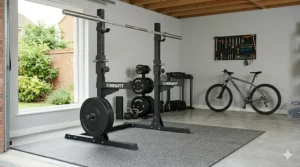
Frequently Asked Questions
❓ Are independent squat stands safe for solo training in the UK?
❓ What weight capacity do I actually need for home gym training?
❓ Do independent squat stands work in damp British garages?
❓ Can I use independent squat stands for bench press safely?
❓ Are independent squat stands worth buying versus just joining a gym?
Conclusion: Making the Right Choice for Your UK Home Gym
Independent squat stands have evolved from budget compromises to legitimate training tools that serve British home gym owners brilliantly when selected thoughtfully. The key insight that most buyers miss is that these stands don’t compete with commercial power racks — they solve an entirely different problem: how to train seriously in limited space without permanent infrastructure.
For the London flat-dweller converting a second bedroom, the Sheffield garage gym enthusiast sharing space with a car, or the rural Scottish lifter training in a converted barn, independent stands provide genuine strength training capability whilst respecting real-world constraints of British housing and climate. The £180-£280 mid-range options from Mirafit, Strength Shop, and Gym Master deliver the best balance of quality, features, and longevity for typical home gym buyers, whilst budget-conscious beginners find adequate safety in the £130-£160 Bodypower or Future stands for initial progression.
Advanced lifters and those with space and budget should absolutely consider the £320-£400 Pullum Pro-R or similar commercial-grade equipment, particularly if training goals include competitive lifting or loads exceeding 160kg. At these higher loads, the enhanced stability and adjustment precision justify the premium pricing through reduced injury risk and better lifting mechanics.
Ultimately, the “best” independent squat stands are the ones you’ll actually use consistently. A £400 premium set gathering dust loses to a £180 mid-range option supporting three weekly training sessions. Buy for your current circumstances — training frequency, budget reality, available space — rather than aspirational scenarios that may never materialise. British homes may lack the square footage of their American or Australian counterparts, but with thoughtful equipment selection, they accommodate remarkably effective strength training.
Recommended for You
- 7 Best Wall Mounted Squat Racks UK Home Gyms 2026 Guide
- 7 Best Half Rack for Home Gym UK: Save Space & Money 2026
- Best Foldable Power Rack for Garage: 7 UK Space-Saving Solutions 2026
Disclaimer: This article contains affiliate links. As an Amazon Associate, I earn from qualifying purchases. If you purchase products through these links, we may earn a small commission at no additional cost to you.
✨ Found this helpful? Share it with your mates! 💬🤗
