In This Article
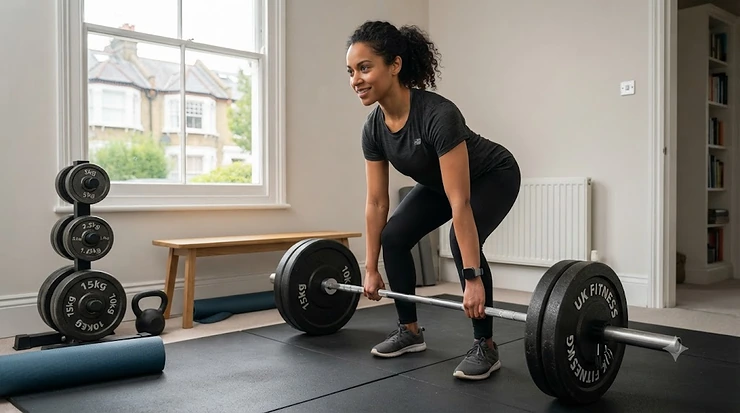
There’s a particular kind of confidence that comes from loading a barbell for the first time and hearing that satisfying clunk of iron settling onto steel. No app, no subscription, no flashing screen telling you how you’re doing — just weight, gravity, and you. That honesty is exactly why cast iron weight plates for beginners remain the default starting point for anyone building a home gym from scratch, decades after fancier alternatives arrived on the market.
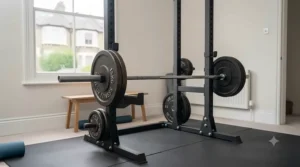
Here’s the confusing bit, though: search “weight plates” and you’ll be buried under bumper plates, urethane-coated plates, calibrated powerlifting discs, and a dozen brands claiming to be “beginner-friendly” without explaining what that actually means in practice. Cast iron is the answer for most newcomers, and for good reason — it’s the most cost-effective way to add resistance per kilogram, it’s compact compared to rubber-coated alternatives, and it’s been the backbone of strength training equipment since long before anyone coined the term “home gym.”
This guide sticks to genuine UK-available products: real weight ranges, real hole diameters (both 1-inch standard and 2-inch Olympic), and honest analysis of what separates a £20 starter set from a £90 calibrated plate. We’ve grouped picks across budget, mid-range and premium tiers, so whichever stage of beginner strength training you’re at, there’s a sensible starting point here rather than marketing noise.
Quick Comparison Table
| Product | Hole Size | Weight Range | Best For |
|---|---|---|---|
| GYM MASTER Standard Cast Iron Plates | 1-inch | 1.25kg-20kg | Absolute cheapest entry point |
| Phoenix Fitness Cast Iron Weight Plates | 1-inch | 1.25kg-20kg | Starter sets with flexible pack sizes |
| PROIRON Cast Iron Weight Plates | 1-inch | 1.25kg-10kg | Best-reviewed budget starter set |
| York Fitness Cast Iron Weight Plates | 1-inch | 1.25kg-25kg | Trusted UK brand, long-term reliability |
| BodyMax Olympic Cast Iron Tri-Grip Plates | 2-inch (Olympic) | 1.25kg-25kg | First step into Olympic barbell training |
| Mirafit Cast Iron 2″ Olympic Tri Grip Plates | 2-inch (Olympic) | 1.25kg-25kg | Precision-cast accuracy at mid-range price |
| Mirafit Calibrated Cast Iron Plates | 2-inch (Olympic) | Fractional-25kg | Serious progression and accurate loading |
Looking at the spread, the real dividing line isn’t really “cheap versus expensive” — it’s 1-inch standard versus 2-inch Olympic. Beginners training with a basic dumbbell bar or budget barbell will want the 1-inch options; anyone who’s bought or is planning to buy a proper Olympic barbell for compound barbell training should skip straight to the 2-inch tier, since retrofitting later means buying plates twice. Within each tier, the difference between budget and premium mostly comes down to weight tolerance and finish durability rather than raw functionality.
💬 Just one click — help others make better buying decisions too!😊
Top 7 Cast Iron Weight Plates for Beginners: Expert Analysis
1. GYM MASTER Standard Cast Iron Weight Plates — cheapest genuine entry point
For anyone testing the water before committing serious money, the GYM MASTER Standard Cast Iron Weight Plates sit at the absolute floor of the UK market on price while still being genuine cast iron rather than a cheaper composite substitute.
Sold in the familiar 1.25kg to 20kg range with a standard 1-inch centre hole, these are built for compatibility with basic dumbbell bars and budget barbells rather than serious Olympic lifting. Based on the spec comparison with pricier rivals, what you’re sacrificing at this price point isn’t the iron itself — it’s finish consistency and weight tolerance, which tends to sit closer to the wider end of the typical 3-5% variance range for unmachined cast plates. For a beginner doing bicep curls, shoulder presses and basic barbell rows, that tolerance is genuinely irrelevant; it only starts to matter once you’re chasing precise progressive numbers on compound lifts.
Reviewers consistently describe the finish as basic but functional — matte black paint that chips with heavy use over time, though this is standard across nearly all budget cast iron at this price bracket, not a specific flaw of this brand. Aggregated feedback flags the plates as noticeably rougher-cast than premium alternatives, with visible casting seams on some units, though nobody disputes they do the fundamental job of adding resistance reliably.
Pros:
- ✅ Genuinely the lowest entry price for real cast iron on the UK market
- ✅ Standard 1-inch fit fits nearly all budget bars and dumbbell handles
- ✅ Solid choice for testing commitment before bigger spend
Cons:
- ❌ Wider weight tolerance than machined or calibrated alternatives
- ❌ Basic paint finish chips faster under regular use
Priced around £20-£30 at the time of research depending on pack size, this is the pick for anyone who wants to start lifting this week without overthinking the purchase.
2. Phoenix Fitness Cast Iron Weight Plates — flexible starter sets
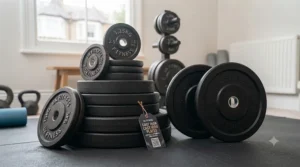
Where the GYM MASTER wins on raw price, the Phoenix Fitness Cast Iron Weight Plates win on flexibility — sold as singles, pairs, or full sets spanning 1.25kg through to 20kg, letting genuine beginners buy exactly the increments they need rather than a fixed bundle.
That flexibility matters more than it sounds for someone starting cold. What most buyers overlook about their first weight purchase is that a beginner rarely needs heavy plates immediately — a set of 1.25kg and 2.5kg plates for isolation work, paired with a couple of 5kg discs for compound movements, covers most starter programmes far better than jumping straight to a 20kg set that sits unused for months. The 1-inch standard hole keeps these compatible with the same budget bars as most entry-level home gym equipment.
Aggregated review sentiment across UK retailers describes the plates as reasonably consistent for the price bracket, with the flexible pack sizing repeatedly singled out as the standout feature over rigid competitor bundles. The most common criticism, echoed across several budget cast iron brands rather than unique to Phoenix, concerns the occasional plate arriving with minor surface pitting from the casting process — cosmetic rather than functional, but worth knowing before you unbox.
Pros:
- ✅ Buy exactly the weight increments you need, not a fixed bundle
- ✅ Genuinely affordable across the full 1.25kg-20kg range
- ✅ Good starting point for isolation and light compound work
Cons:
- ❌ Minor cosmetic casting imperfections reported on some units
- ❌ 1-inch hole limits future upgrade to Olympic barbells
Expect to pay from around £11 for a small starter pair up to roughly £42 for a larger set, at the time of research, making this one of the most genuinely scalable budget options for a beginner building up gradually.
3. PROIRON Cast Iron Weight Plates — best-reviewed budget starter set
If you want budget pricing without gambling on an unfamiliar brand, the PROIRON Cast Iron Weight Plates carry the strongest aggregated review volume of any starter-tier plate on the UK market, with thousands of verified ratings sitting comfortably above 4.5 out of 5.
The 1-inch plates cover 1.25kg to 10kg in the core starter set, manufactured with what PROIRON describes as a controlled zinc and manganese content in the iron mix, aimed at reducing brittleness compared to the cheapest generic castings. Here’s what the spec sheet won’t tell you, but aggregated reviewer sentiment does: the hammered finish genuinely does resist surface rust better than flat-painted budget alternatives over the first year of ownership, a small but real difference if your plates live in a garage or unheated spare room prone to condensation.
Reviewers consistently praise the accuracy for the price point, with several buyers who weighed the plates independently reporting them close to stated weight — better than the wider tolerances seen on some no-name imports. The main limitation flagged in aggregated feedback is the relatively low maximum weight per set compared to rivals like York or BodyMax, meaning committed lifters will need to buy a second set within the first year of consistent training.
Pros:
- ✅ Largest, most consistent review base of any budget-tier plate
- ✅ Hammered zinc/manganese finish resists rust better than flat paint
- ✅ Reported weight accuracy ahead of typical budget tolerance
Cons:
- ❌ Core set tops out at 10kg — limiting for compound lift progression
- ❌ 1-inch hole means no direct upgrade path to Olympic bars
At around £29-£33 at the time of research for the core starter set, this is the pick for beginners who want budget pricing backed by the most substantial base of genuine UK buyer feedback.
4. York Fitness Cast Iron Weight Plates — trusted UK brand for the long haul
York Fitness has been producing weight plates for more than 80 years, and the brand’s own claim — more York-branded plates in circulation worldwide than any other single manufacturer — is echoed consistently across independent retailer listings and reviews rather than being pure marketing.
The 1-inch standard plates span 1.25kg right through to 25kg, giving genuine beginners meaningfully more headroom than most rivals in this bracket before needing a second purchase. What most buyers overlook about a brand-name plate like this is that the real value isn’t in the iron itself — cast iron is cast iron regardless of who stamps the logo on it — it’s in the steel finish quality and the fact that York plates are engineered to a consistent diameter-to-weight ratio across the range, meaning a 10kg York plate and a 20kg York plate stack predictably rather than varying wildly in thickness.
Aggregated review sentiment across thousands of verified Amazon UK ratings sits around 4.7 out of 5, among the strongest of any plate on this list, with buyers consistently highlighting the engraved weight markings and chrome-adjacent black finish as noticeably tidier than generic imports. The recurring criticism, where it exists, concerns pricing — York plates typically cost more per kilogram than PROIRON or Phoenix equivalents, a premium some beginners feel isn’t justified purely for a brand name on a lump of iron.
Pros:
- ✅ 80+ years of UK manufacturing heritage and consistent quality
- ✅ Widest weight range in the 1-inch category, up to 25kg
- ✅ Strongest aggregated review rating of any plate on this list
Cons:
- ❌ Noticeably higher price per kilogram than budget-tier rivals
- ❌ Still 1-inch only — no Olympic bar compatibility
Prices generally sit around £30-£60 at the time of research depending on plate size and pack, positioning York as the sensible mid-range choice for beginners who want brand reliability without jumping to Olympic-spec pricing.
5. BodyMax Olympic Cast Iron Tri-Grip Weight Plates — first step into Olympic barbell training
The moment a beginner decides they’re serious about long-term barbell training rather than casual dumbbell work, the conversation shifts to Olympic 2-inch plates — and the BodyMax Olympic Cast Iron Tri-Grip Weight Plates are among the most accessible entry points into that world on the UK market.
Sold individually from 1.25kg right up to 25kg, the tri-grip design cuts three finger-width cutouts into each plate, making loading and unloading noticeably easier than a flat-faced disc, particularly useful for beginners still building grip strength and confidence around a loaded bar. On paper this means faster changeovers between exercises and less fumbling with a plate that’s flush against the floor. Based on the spec comparison with standard flat plates, the tri-grip design adds negligible cost while meaningfully improving day-to-day usability, which is why it’s become close to an industry standard at this price tier.
Aggregated reviewer sentiment describes the hammertone cast iron coating as durable under normal home use, with the ability to buy single plates — rather than being locked into fixed pairs — repeatedly praised as ideal for beginners building a set gradually rather than needing to guess their eventual total weight upfront. The main limitation is that these plates are Olympic-only; anyone without a 2-inch barbell or attachment already will need to budget for one before these become useful.
Pros:
- ✅ Sold individually — build your set exactly as budget allows
- ✅ Tri-grip cutouts genuinely speed up loading and unloading
- ✅ Wide weight range from 1.25kg to 25kg covers most beginner needs
Cons:
- ❌ Requires an Olympic 2-inch bar, an added cost if you don’t own one
- ❌ Not a direct swap for existing 1-inch dumbbell equipment
At roughly £3.49 per 1.25kg plate scaling up to around £50 for a 25kg single at the time of research, BodyMax lets beginners spread the Olympic-tier investment out over weeks or months rather than one large upfront purchase.
6. Mirafit Cast Iron 2″ Olympic Tri Grip Weight Plates — precision-cast accuracy at mid-range price
Mirafit has built a strong reputation among UK home gym owners for equipment that sits a clear step above entry-level without reaching commercial pricing, and the Mirafit Cast Iron 2″ Olympic Tri Grip Weight Plates are a good example of that positioning applied to plates specifically.
Precision casting is the standout claim here, and reviewers consistently back it up: aggregated sentiment describes noticeably better weight consistency plate-to-plate than typical budget Olympic options, without reaching the specialist calibrated tier. The silver-grey finish and tri-grip handles match the practical usability of the BodyMax option above, while the 1.25kg to 25kg range covers the same broad progression path most beginners will follow over their first one to two years of barbell training. What the spec sheet won’t tell you, but aggregated reviewer feedback does, is that the smoother edge finishing on these plates makes them noticeably more comfortable to carry against the body during farmer’s-carry-style accessory work compared to rougher budget castings.
Reviewers rate these consistently around 4.8 out of 5 across hundreds of verified purchases, with Mirafit’s wider UK reputation for responsive customer service repeatedly mentioned as a reassurance for first-time buyers nervous about ordering heavy equipment online. The trade-off compared to true calibrated plates below is straightforward: precision casting narrows tolerance meaningfully versus budget iron, but it isn’t certified to the same accuracy standard as dedicated powerlifting discs.
Pros:
- ✅ Precision casting delivers noticeably tighter tolerance than budget iron
- ✅ Strong, consistent aggregated review rating across hundreds of buyers
- ✅ Mirafit’s UK-based support reassures first-time online buyers
Cons:
- ❌ Costs meaningfully more per kilogram than BodyMax’s Olympic range
- ❌ Not accurate enough for genuinely competitive powerlifting numbers
Individual plates start from around £9.95 at the time of research, scaling up with weight, making a full beginner-to-intermediate Olympic set a genuine mid-range investment rather than a budget one.
7. Mirafit Calibrated Cast Iron Weight Plates — accuracy for serious long-term progression
For beginners who already know they’re not stopping at “a few months of home lifting,” the Mirafit Calibrated Cast Iron Weight Plates represent the honest ceiling of what cast iron can offer before you’d need to switch materials entirely.
Machined rather than simply cast, these plates are calibrated to a genuinely tight plus-or-minus 10 gram accuracy — a specification that sounds excessive for a beginner until you consider what it actually buys you. On paper this means when a training log says you added 2.5kg to a lift, you actually added 2.5kg, not somewhere in a 3-5% band that could be anywhere from 2.4kg to 2.6kg on cheaper castings. That distinction becomes genuinely meaningful once progressive overload — the principle of gradually increasing training demand over time — becomes central to a beginner’s programme, since research on resistance training consistently identifies structured, measurable load progression as central to continued strength and muscle adaptation, as explored in a peer-reviewed study on progressive overload published via PubMed Central.
The snug 50.4mm centre hole is designed specifically for secure barbell fit during deadlifts, where plate wobble on a loose-fitting hole becomes a genuine safety concern under heavy load, and colour coding follows International Powerlifting Federation conventions, useful if a beginner’s ambitions eventually stretch toward competition. Aggregated reviewer sentiment is strongly positive on durability and finish, though several buyers note that the machined finish, while superior to painted budget plates, will still show cosmetic scratching from metal-on-metal contact over time — an honest limitation Mirafit itself flags in its own product information rather than something reviewers uncovered independently.
Pros:
- ✅ Genuinely tight ±10g calibrated accuracy for serious progression tracking
- ✅ Snug 50.4mm hole minimises wobble during heavy barbell training
- ✅ IPF colour-coding useful for beginners with competitive ambitions
Cons:
- ❌ Significantly pricier per kilogram than any other plate on this list
- ❌ Machined finish still scratches with metal-on-metal contact over time
A single 5kg fractional set alone runs to around £99.95 at the time of research, with full sets scaling considerably higher, positioning this firmly as the plate to grow into rather than the plate to start with on day one.
How to Choose Cast Iron Weight Plates for Beginners
Picking plates isn’t really about finding the objectively “best” option — it’s about matching hole size, weight range and budget to where you actually are in your training, not where you hope to be in a year. Here’s the reasoning, step by step.
- Decide 1-inch or 2-inch before anything else. This is the single most consequential choice. A 1-inch plate will never fit a 2-inch Olympic bar, and vice versa, so buying the wrong size means starting from scratch later.
- Match your starting weight range to your actual current strength, not your goals. Most beginners overestimate the load they’ll start with. A set spanning 1.25kg to 10kg realistically covers the first several months for most people on isolation and light compound work.
- Check the maximum weight the bar itself can hold, not just the plate range. A budget bar rated to 100kg total load makes a 25kg-per-plate purchase pointless until you’ve upgraded the bar to match.
- Weigh brand reputation against pure cost per kilogram. Established names like York Fitness typically cost more per kilogram but bring longer track records for consistency and finish durability.
- Consider weight tolerance only once progressive tracking matters to you. Beginners rarely need calibrated accuracy in month one; it becomes genuinely valuable once you’re logging specific numbers and chasing measurable progression.
- Factor in floor protection and storage space. Cast iron doesn’t compress like rubber-coated bumper plates, so a dropped plate can damage flooring — budget for a rubber mat if your training space has hard flooring.
- Buy in stages rather than one large set upfront. Several brands on this list, notably BodyMax and Phoenix Fitness, allow single-plate purchases specifically so beginners can scale gradually rather than overcommitting early.
Common Mistakes When Buying Starter Cast Iron Plates
The costliest mistake beginners make isn’t picking the “wrong” plate brand — it’s buying based on assumptions rather than checking specifics, and a few patterns show up repeatedly in aggregated feedback across every product on this list.
The single most common error is buying 1-inch plates without checking bar compatibility first, particularly among beginners who already own or are simultaneously ordering a barbell. Standard bars, dumbbell handles and most budget multi-gyms use 1-inch sleeves, while any genuine Olympic barbell needs 2-inch plates — mixing the two isn’t possible without an adapter, and adapters themselves compromise stability under heavier loads.
Another recurring pattern is beginners buying far more weight than they’ll use in the first six months, driven by understandable but misplaced ambition. A genuine beginner following a structured programme typically adds small, incremental weight over weeks — buying a 100kg set on day one usually means the heaviest plates sit unused in a corner for months while the lighter ones get all the actual use.
Underestimating storage and floor impact is a persistent theme too. Cast iron plates, unlike rubber bumper plates, aren’t designed to be dropped from height, and repeated drops onto hard flooring will chip both the plates and the floor over time. Finally, many first-time buyers skip checking the actual centre hole diameter listed in millimetres rather than trusting “1-inch” or “2-inch” labelling alone — minor manufacturing variance between brands occasionally causes a snugger or looser fit than expected, worth checking in product reviews before committing to a full set.
Setting Up for Beginner Strength Training: A Practical Guide
Getting your first plates delivered is only the start. A handful of practical decisions in the first month shape whether cast iron plates become a genuine long-term habit or an expensive doorstop.
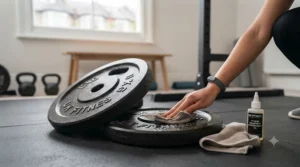
Start with somewhere solid and flat to train. Cast iron plates transmit vibration and noise efficiently through bare concrete or wooden floors, and repeated dropping — even accidental — can chip both plates and flooring over time. Interlocking rubber gym tiles, typically £15-£25 per square metre, are a worthwhile early investment that protects both the plates and your home.
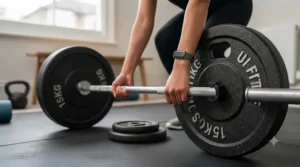
Next, get the loading and unloading sequence right from day one. Always load plates from largest to smallest working outward from the collar, and always use a spring clip or locking collar to secure them — an unsecured plate sliding on a bar mid-lift is a genuine and entirely avoidable injury risk. This matters even more for beginners still building the coordination to control a loaded bar confidently.
In the first thirty days, resist the urge to jump straight to heavier plates because a lighter set “feels easy” on day one. According to NHS guidance, adults should aim to do strengthening activities covering all major muscle groups on at least two days a week as part of a balanced weekly activity routine — useful context for pacing frequency alongside load, since consistent, moderate sessions build a foundation faster than occasional maximal ones. A common beginner mistake is chasing heavier plates within the first fortnight before technique has settled, which increases injury risk without meaningfully speeding up progress.
Finally, build an inspection habit early: check plate finishes for chips that could catch skin, and periodically confirm collar tightness, since a loose collar is one of the most preventable causes of plate-related mishaps in a home gym setting.
Real-World Scenarios: Who Should Buy What
The complete beginner testing the water on a tight budget. With under £40 to spend and no existing bar, the GYM MASTER Standard Cast Iron Weight Plates or Phoenix Fitness Cast Iron Weight Plates make the most sense — low commitment, genuine cast iron, and enough range to cover the first couple of months of structured training.
The beginner who already owns a budget dumbbell bar. With roughly £30-£60 to spend and compatibility already sorted, the PROIRON Cast Iron Weight Plates or York Fitness Cast Iron Weight Plates offer the best-reviewed options in the 1-inch category, with York adding brand longevity for anyone planning to stick with the hobby.
The beginner committing to a proper barbell setup from the start. For someone who’s already bought or is about to buy an Olympic 2-inch barbell, the BodyMax Olympic Cast Iron Tri-Grip Weight Plates offer the most accessible entry point, letting the total weight build gradually as budget allows.
The beginner planning for serious long-term progression. With a clear intention to track structured programmes and eventually chase accurate numbers, the Mirafit Cast Iron 2″ Olympic Tri Grip Weight Plates offer a sensible mid-range step up, with the Mirafit Calibrated Cast Iron Weight Plates as the eventual upgrade once accuracy genuinely starts to matter to your training log.
Long-Term Cost & Maintenance
A single gym session pass in the UK typically costs £8-£15 without a membership, and even a modest starter plate set — say, 30kg of PROIRON or Phoenix Fitness plates around £60-£80 — pays for itself within a handful of avoided gym-day trips, before even factoring in the convenience of training at home.
Ongoing costs for cast iron plates are genuinely minimal compared to most strength training equipment. Budget occasionally for touch-up paint if a chipped edge starts exposing bare iron to moisture, since untreated rust, while cosmetic in early stages, can eventually affect grip and finish over years of storage in a damp garage or shed. Warranty coverage varies considerably across this list, from limited or no formal warranty on the cheapest budget imports through to Mirafit’s more established UK-based customer support — worth weighing against the relatively small price difference, since cast iron itself essentially doesn’t wear out with normal use.
✨ Don’t Miss These Exclusive Deals!
🔍 Take your beginner strength training setup to the next level with these carefully selected cast iron plates. Click on any highlighted item to check current pricing and availability. These plates will help you build real barbell training habits that last!
Features That Actually Matter (And Those That Don’t)
Marketing copy for weight plates loves to lean on words like “premium,” “commercial-grade,” and “heavy-duty” regardless of whether the plate in question is genuinely different from a £20 budget alternative. In practice, for a true beginner, a handful of specifications matter far more than the marketing language surrounding them.
What genuinely matters: centre hole diameter measured in millimetres (confirm it matches your bar precisely), weight tolerance if you’re tracking progression closely, and grip design — tri-grip cutouts genuinely make a practical difference to loading speed and confidence for beginners still building familiarity with a loaded bar. Finish quality matters too, though more for longevity and rust resistance than for how the plate performs under load on day one.
What matters less than the marketing suggests: colour coding beyond the functional purpose of quick weight identification, “engraved” versus “stamped” branding, and headline claims about “military-grade” or “aerospace” iron that have no meaningful bearing on a plate’s actual performance in a beginner’s home gym.
Safety Considerations for Beginner Strength Training
A few UK-specific and general safety considerations are worth understanding before your first proper barbell session. General guidance from the NHS on building strength emphasises working all the major muscle groups gradually, and its overview of how to improve strength and flexibility offers useful context on pacing training intensity safely as a beginner, rather than progressing too quickly on unfamiliar movements.
Beyond general pacing, always use collars to lock plates in place — an unsecured plate shifting mid-lift is one of the most common and entirely preventable causes of injury for home lifters. Keep a clear working space around the bar, particularly during compound lifts like deadlifts or overhead presses, since a dropped plate needs somewhere safe to land without catching feet or nearby furniture. If you’re lifting alone, which most beginners at home will be, avoid attempting near-maximal single lifts without a spotter present — a principle central to weight training safety more broadly, as outlined in general overviews of strength training as an exercise discipline.
What to Expect: Real-World Performance
Spec sheets rarely capture how plates actually feel in daily use, so here’s the honest picture drawn from aggregated review patterns across all seven products. Budget-tier plates (GYM MASTER, Phoenix Fitness) generally perform exactly as needed for a beginner’s first few months — the difference in feel compared to premium alternatives is genuinely marginal at low to moderate training frequency, becoming more noticeable only once you’re training multiple times a week for several months.
Mid-range options (PROIRON, York Fitness, BodyMax, Mirafit standard) consistently show up in reviews as feeling noticeably more solid and better-finished, particularly around edges and hole tolerance — small details that matter more the more frequently you’re loading and unloading a bar. The Mirafit Calibrated plates sit in a different category entirely; reviewers consistently describe the difference in loading feel as subtle rather than dramatic, since the real benefit is measurement accuracy over time rather than a dramatically different physical experience day to day.
Across all seven, the most consistent piece of real-world feedback is that new cast iron plates typically arrive with a faint manufacturing oil coating that should be wiped down before first use, and that the paint or hammertone finish on any budget-to-mid-range plate will show cosmetic wear within the first few months of regular use — entirely normal, and not something to be alarmed by.
Frequently Asked Questions
❓ What weight plates should a complete beginner buy?
❓ Is cast iron better than rubber-coated plates for beginners?
❓ What's the difference between 1-inch and 2-inch weight plates?
❓ How accurate do cast iron plates need to be for beginners?
❓ Do cast iron plates rust over time?
Conclusion
There’s no single “best” set of cast iron weight plates for every beginner, and the honest answer depends heavily on which bar you already own, how much you’re willing to spend upfront, and how seriously you’re planning to take barbell training over the coming year. What the research does show clearly is that UK beginners have genuinely solid, well-reviewed options at every price point — from the rock-bottom entry pricing of the GYM MASTER Standard Cast Iron Weight Plates through to the calibrated precision of the Mirafit Calibrated Cast Iron Weight Plates for anyone already thinking several steps ahead.
The practical advice, drawn from spec comparisons and aggregated review sentiment across all seven products: confirm your hole size before anything else, buy the weight range that matches your actual current strength rather than your ambitions, and treat accuracy as something to upgrade into once progressive tracking genuinely matters to your training. Get those three things right, and any set on this list becomes a solid foundation for beginner strength training — the kind of unglamorous, reliable equipment that quietly outlasts almost every trend that comes after it.
Recommended for You
- Bumper Plates for Home Gym: 7 Best UK Picks (2026)
- Bumper Plates vs Cast Iron Plates: 7 Best UK Picks (2026)
- Olympic Weight Plates: 7 Best Buys for Every Budget (2026)
Disclaimer: This article contains affiliate links. As an Amazon Associate, I earn from qualifying purchases. If you purchase products through these links, we may earn a small commission at no additional cost to you.
✨ Found this helpful? Share it with your friends! 💬🤗
